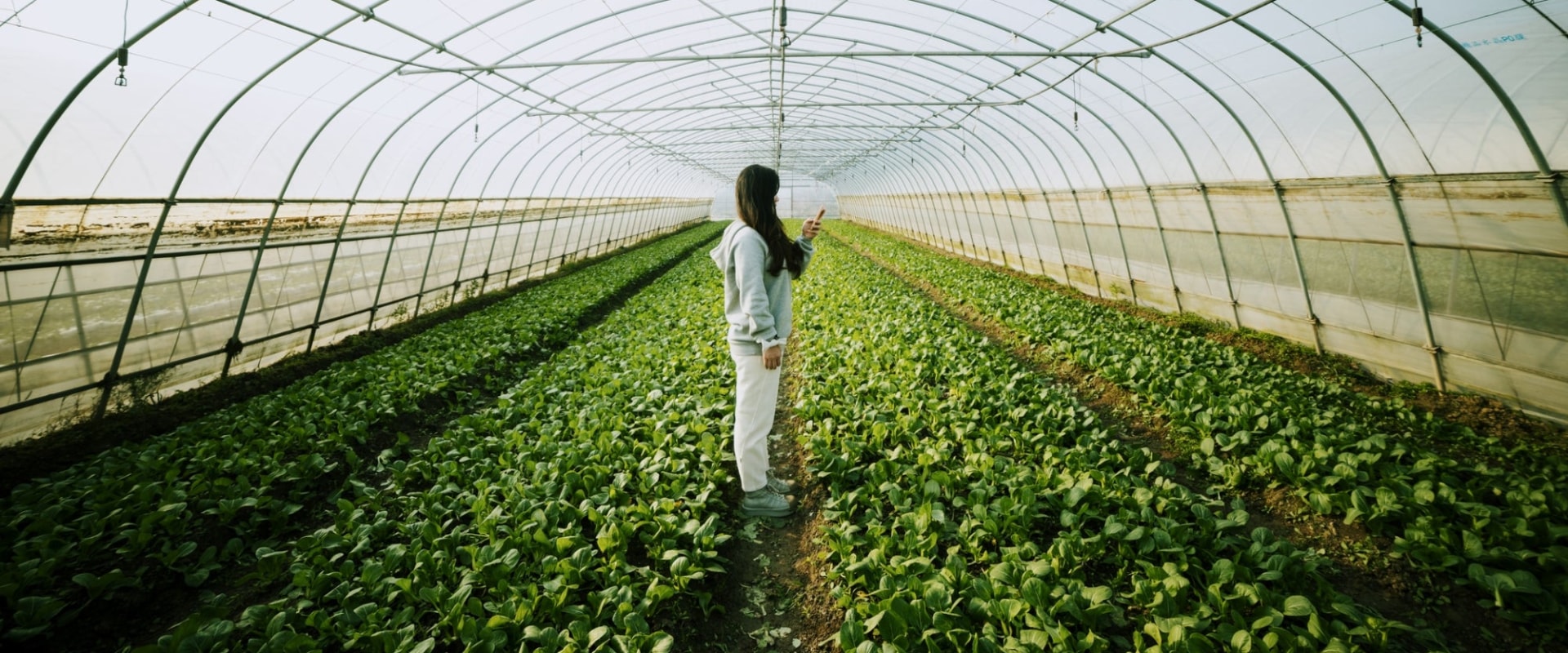
Sustainable farming, often referred to as sustainable agriculture, is a holistic approach to food production that seeks to balance the needs of the environment, society, and the economy. At its core, sustainable farming is defined as agricultural practices that are designed to meet current food and textile needs without compromising the ability of future generations to meet their own needs. This concept has gained significant traction in recent years as the world grapples with pressing issues such as climate change, resource depletion, and food security.The importance of sustainable farming cannot be overstated. As the global population continues to rise, the demand for food increases correspondingly.
Traditional farming methods, which often rely heavily on chemical fertilizers, pesticides, and monoculture practices, can lead to soil degradation, water scarcity, and loss of biodiversity. In contrast, sustainable farming practices prioritize ecological balance and resource conservation. By focusing on methods such as crop rotation, organic farming, and agroforestry, farmers can enhance soil health, improve water retention, and promote biodiversity.Moreover, sustainable agriculture plays a crucial role in mitigating climate change. By reducing reliance on fossil fuels and minimizing greenhouse gas emissions through practices like reduced tillage and cover cropping, sustainable farming contributes to a healthier planet.
Additionally, it fosters local economies by supporting small-scale farmers and promoting community engagement in food systems. As consumers become more aware of the environmental impact of their food choices, the demand for sustainably produced goods continues to grow.In summary, understanding sustainable farming is essential for anyone interested in the future of agriculture. It represents a shift towards more responsible practices that not only aim to produce food but also protect our planet for generations to come. As we delve deeper into this guide on sustainable farming, we will explore various practices and innovations that are shaping the future of agriculture.
The Principles of Sustainable Farming
Sustainable farming is grounded in a set of core principles that aim to create a balanced relationship between agricultural practices, the environment, and society.Understanding these principles is essential for farmers, policymakers, and consumers alike, as they guide the implementation of effective and responsible farming methods.
1.Environmental Stewardship
At the heart of sustainable farming lies the principle of environmental stewardship. This involves managing natural resources wisely to ensure their availability for future generations. Farmers are encouraged to:
- Utilize crop rotation to enhance soil health and reduce pest populations.
- Implement conservation tillage practices to minimize soil erosion and maintain soil structure.
- Adopt integrated pest management strategies that prioritize natural pest control methods over chemical interventions.
- Enhance biodiversity by planting a variety of crops and maintaining natural habitats within and around farm areas.
2.Economic Viability
Sustainable farming must also be economically viable for farmers to thrive. This principle emphasizes the importance of profitability while ensuring that farming practices do not compromise environmental integrity.
Key aspects include:
- Investing in renewable energy sources, such as solar or wind power, to reduce operational costs.
- Utilizing local resources and markets to decrease transportation costs and support community economies.
- Practicing efficient resource management to lower input costs while maximizing yields.
3.Social Equity
The principle of social equity focuses on ensuring fair treatment and opportunities for all individuals involved in the agricultural sector. This includes:
- Providing fair wages and working conditions for farm laborers.
- Encouraging community engagement and participation in decision-making processes related to agricultural practices.
- Promoting access to healthy food for all, particularly in underserved communities.
Benefits of Sustainable Farming
Sustainable farming offers a multitude of benefits that extend beyond mere crop production. These advantages can be categorized into environmental, economic, and social benefits, each contributing to a holistic approach to agriculture that prioritizes long-term viability.Environmental Benefits
One of the most significant advantages of sustainable farming is its positive impact on the environment.By focusing on practices that enhance soil health, sustainable agriculture helps to:
- Improve Soil Quality: Sustainable methods such as crop rotation and cover cropping enrich the soil with organic matter, enhancing its fertility and structure. Healthy soil is crucial for supporting plant growth and reducing erosion.
- Enhance Biodiversity: Sustainable farming promotes biodiversity by encouraging a variety of crops and natural habitats. This diversity helps to create a balanced ecosystem, which can reduce pest populations and improve resilience against diseases.
- Conserve Water Resources: Techniques like conservation tillage and efficient irrigation systems minimize water usage and prevent runoff, leading to healthier water systems and reduced pollution from agricultural activities.
Economic Advantages
From an economic perspective, sustainable farming can lead to:- Cost Savings: By reducing reliance on chemical fertilizers and pesticides, farmers can lower their input costs. Additionally, practices such as integrated pest management can lead to fewer crop losses.
- Market Opportunities: As consumer demand for organic and sustainably produced food increases, farmers who adopt sustainable practices can tap into premium markets, potentially increasing their profits.
Social Benefits
Sustainable farming also fosters social benefits within communities:- Community Engagement: Sustainable practices often involve local communities in decision-making processes, fostering a sense of ownership and responsibility towards local resources.
- Healthier Food Systems: By prioritizing local food production, sustainable farming contributes to food security and provides communities with access to fresh, nutritious food.
By improving environmental health, providing economic advantages for farmers, and enhancing community well-being, sustainable agriculture represents a viable path forward for both current and future generations.
Challenges in Sustainable Farming
While the benefits of sustainable farming are numerous, farmers face a variety of challenges when implementing these practices. Understanding these obstacles is crucial for developing effective strategies to promote sustainable agriculture.Lower Yields Compared to Industrial Agriculture
One of the most significant challenges in sustainable farming is the potential for lower crop yields compared to conventional industrial agriculture. Traditional farming methods often prioritize maximum output through the use of synthetic fertilizers and pesticides, which can lead to higher immediate yields. In contrast, sustainable practices focus on long-term soil health and ecosystem balance, which may not always translate into high yields in the short term.This discrepancy can discourage farmers from adopting sustainable methods, especially when they are under pressure to meet market demands.
Higher Costs for Consumers
Sustainable products often come with a higher price tag, which can be a barrier for consumers. The costs associated with organic farming practices, such as crop rotation and cover cropping, can lead to increased prices for sustainably produced goods. While these practices are beneficial for the environment and public health, they may not be affordable for all consumers. This economic disparity can limit the market for sustainable products and make it challenging for farmers to sustain their operations.The Need for Education and Support
Another significant obstacle is the lack of education and support available to farmers transitioning to sustainable practices.Many farmers may not have access to resources or training that would help them understand how to implement sustainable methods effectively. This gap in knowledge can lead to frustration and a reluctance to change established farming practices. Additionally, government policies and subsidies often favor conventional agriculture, making it difficult for sustainable farmers to compete.
Market Access and Infrastructure Challenges
Farmers practicing sustainable agriculture may also face challenges related to market access and infrastructure. Many local markets are dominated by large-scale industrial producers, making it difficult for small-scale sustainable farms to find buyers for their products.Furthermore, inadequate infrastructure for transporting organic goods can hinder their ability to reach consumers efficiently.In conclusion, while sustainable farming offers numerous environmental and health benefits, it is essential to address the challenges that farmers face in adopting these practices. By providing education, support, and improved market access, we can help create a more equitable agricultural system that benefits both producers and consumers.
The Role of Technology in Sustainable Farming
In recent years, the integration of technology into sustainable farming practices has revolutionized the agricultural landscape. Farmers are increasingly adopting innovative solutions that not only enhance productivity but also minimize environmental impact. This section delves into the transformative role of technology in sustainable agriculture, highlighting key advancements such as precision agriculture and biotechnology.Precision Agriculture Technology
Precision agriculture
refers to a set of technologies that enable farmers to monitor and manage field variability in crops.
By utilizing tools such as GPS, drones, and soil sensors, farmers can gather real-time data about their fields. This data allows for more informed decision-making regarding resource allocation, ultimately leading to:
- Optimized Resource Use: Farmers can apply water, fertilizers, and pesticides more efficiently, reducing waste and lowering costs.
- Increased Crop Yields: By understanding the specific needs of different areas within a field, farmers can enhance crop health and productivity.
- Environmental Protection: Targeted application of inputs minimizes runoff and pollution, contributing to healthier ecosystems.
Innovations in Sustainable Farming
The advancements in sustainable farming extend beyond precision agriculture. Innovations such as biotechnology are playing a crucial role in developing crops that are more resilient to pests and diseases. Genetically modified organisms (GMOs) can be engineered to require fewer chemical inputs, thus reducing the overall environmental footprint of farming practices.Some notable benefits include:
- Enhanced Resistance: Crops can be designed to withstand harsh conditions such as drought or extreme temperatures, ensuring food security even in challenging climates.
- Biodiversity Promotion: By reducing reliance on chemical pesticides, biotechnology supports the preservation of beneficial insects and other wildlife.
- Sustainable Practices: Innovations like vertical farming and aquaponics utilize technology to create efficient systems that require less land and water while producing high yields.
Case Studies: Successful Sustainable Farms
Across the globe, numerous farms have successfully adopted sustainable farming practices, demonstrating that environmental stewardship can go hand in hand with profitability. Here are some notable case studies that highlight innovative approaches to sustainable agriculture.1.Polyface Farm, Virginia
Founded by Joel Salatin, Polyface Farm is a prime example of a sustainable farm that utilizes holistic management techniques. The farm operates on a model of rotational grazing, where livestock are moved frequently to different pastures.This method not only improves soil health by allowing grass to recover but also enhances biodiversity by mimicking natural grazing patterns. As a result, Polyface Farm has seen increased productivity and healthier animals, while also reducing the need for chemical fertilizers and pesticides.
2.The Rodale Institute, Pennsylvania
The Rodale Institute is a pioneer in organic farming research and education. Their sustainable agriculture practices focus on regenerative organic methods that improve soil health and sequester carbon. Through their Farming Systems Trial, they have demonstrated that organic farming can yield comparable or even higher outputs than conventional methods over time.The institute also emphasizes the importance of cover cropping and crop rotation to maintain soil fertility and reduce erosion.
3.Singing Frogs Farm, California
Singing Frogs Farm is an innovative example of a sustainable farm that employs no-till farming techniques. By avoiding tillage, the farm preserves soil structure and enhances its ability to retain moisture and nutrients. This approach has led to increased biodiversity on the farm, with a variety of crops grown simultaneously in a polyculture system. The farm has reported significant increases in yield while reducing labor costs and improving resilience against pests and diseases.4.Green City Acres, British Columbia
Green City Acres is an urban farm that utilizes sustainable practices to grow food in a densely populated area.They employ vertical farming techniques and integrate permaculture principles to maximize space efficiency while minimizing resource use. Their commitment to sustainability includes using organic seeds, composting waste, and engaging the local community through educational programs about sustainable food systems.These case studies illustrate that successful sustainable farming is not only possible but can also lead to thriving businesses that contribute positively to the environment and local communities. By adopting diverse practices tailored to their specific contexts, these farms serve as models for others looking to transition towards more sustainable agricultural methods.
Future Trends in Sustainable Farming
As we look to the future of sustainable farming, several trends and innovations are emerging that promise to reshape the agricultural landscape. These advancements not only aim to enhance productivity but also focus on minimizing environmental impact, ensuring that farming practices remain viable for generations to come.1.Precision Agriculture
One of the most significant trends in sustainable agriculture is the rise of precision farming.
This approach utilizes advanced technologies such as GPS, drones, and IoT (Internet of Things) devices to monitor crop health, soil conditions, and weather patterns in real-time. By collecting and analyzing data, farmers can make informed decisions about resource allocation, reducing waste and optimizing yields. For instance, precision irrigation systems can deliver water directly to the roots of plants, conserving water while ensuring crops receive the necessary hydration.
2.Regenerative Agriculture
Regenerative agriculture is gaining traction as a holistic approach that goes beyond sustainability. It focuses on restoring soil health, increasing biodiversity, and enhancing ecosystem services.
Practices such as cover cropping, no-till farming, and agroforestry are integral to this method. By improving soil structure and fertility, regenerative agriculture not only sequesters carbon but also boosts resilience against climate change.
3.Vertical Farming
Urbanization has led to a growing interest in vertical farming, which allows for food production in urban settings using stacked layers of crops. This method significantly reduces land use and transportation emissions while providing fresh produce to city dwellers. Innovations in hydroponics and aeroponics are making it possible to grow crops without soil, using nutrient-rich water solutions instead.
4.Biotechnological Advances
Biotechnology continues to play a crucial role in sustainable farming by developing genetically modified organisms (GMOs) that are more resistant to pests and diseases.
These innovations can lead to reduced pesticide use and lower environmental impact. However, it is essential that these technologies are implemented responsibly and transparently to address public concerns about food safety and ecological balance.
5.Circular Economy Practices
The concept of a circular economy is becoming increasingly relevant in agriculture. This approach emphasizes reducing waste by reusing resources within the agricultural system. For example, organic waste from farms can be composted and returned to the soil as fertilizer, closing the loop on nutrient cycles.
Additionally, integrating livestock with crop production can enhance soil fertility while providing multiple sources of income for farmers.In conclusion, the future of sustainable agriculture is bright with potential innovations that promise to enhance eco-friendly farming practices. By embracing these trends, farmers can contribute to a more resilient food system that prioritizes environmental health while meeting the needs of a growing population.
Conclusion: The Path Forward for Sustainable Farming
As we conclude our exploration of sustainable farming, it is essential to reflect on the critical insights and practices that have emerged throughout this guide. The journey towards a more sustainable agricultural system is not merely a trend; it is a necessity for ensuring the health of our planet and the well-being of future generations.The importance of adopting sustainable practices cannot be overstated. By prioritizing environmental stewardship, farmers can enhance soil health, promote biodiversity, and reduce reliance on harmful chemicals.These practices not only contribute to a healthier ecosystem but also lead to improved crop yields and economic viability for farmers.Moreover, the integration of technology in sustainable agriculture has opened new avenues for efficiency and productivity. Precision agriculture, for instance, allows farmers to optimize resource use, minimizing waste while maximizing output. This innovative approach is crucial in addressing the challenges posed by climate change and resource scarcity.However, transitioning to sustainable farming methods requires collective effort. It is vital for consumers, policymakers, and agricultural stakeholders to support initiatives that promote sustainability.
Here are some actionable steps that can be taken:
- Support Local Farmers: Choose to buy from local farms that practice sustainable methods. This not only helps the environment but also strengthens local economies.
- Advocate for Policy Changes: Engage with policymakers to promote legislation that supports sustainable agriculture practices and provides incentives for farmers who adopt these methods.
- Educate Others: Share knowledge about the benefits of sustainable farming within your community. Awareness can drive demand for sustainably produced food.
- Reduce Food Waste: Be mindful of food consumption and waste. Supporting initiatives that focus on reducing food waste can significantly lessen the environmental impact of agriculture.
By embracing these practices today, we can ensure a resilient agricultural system that meets the needs of both current and future generations. Let us commit to fostering a sustainable future where agriculture thrives in harmony with nature.