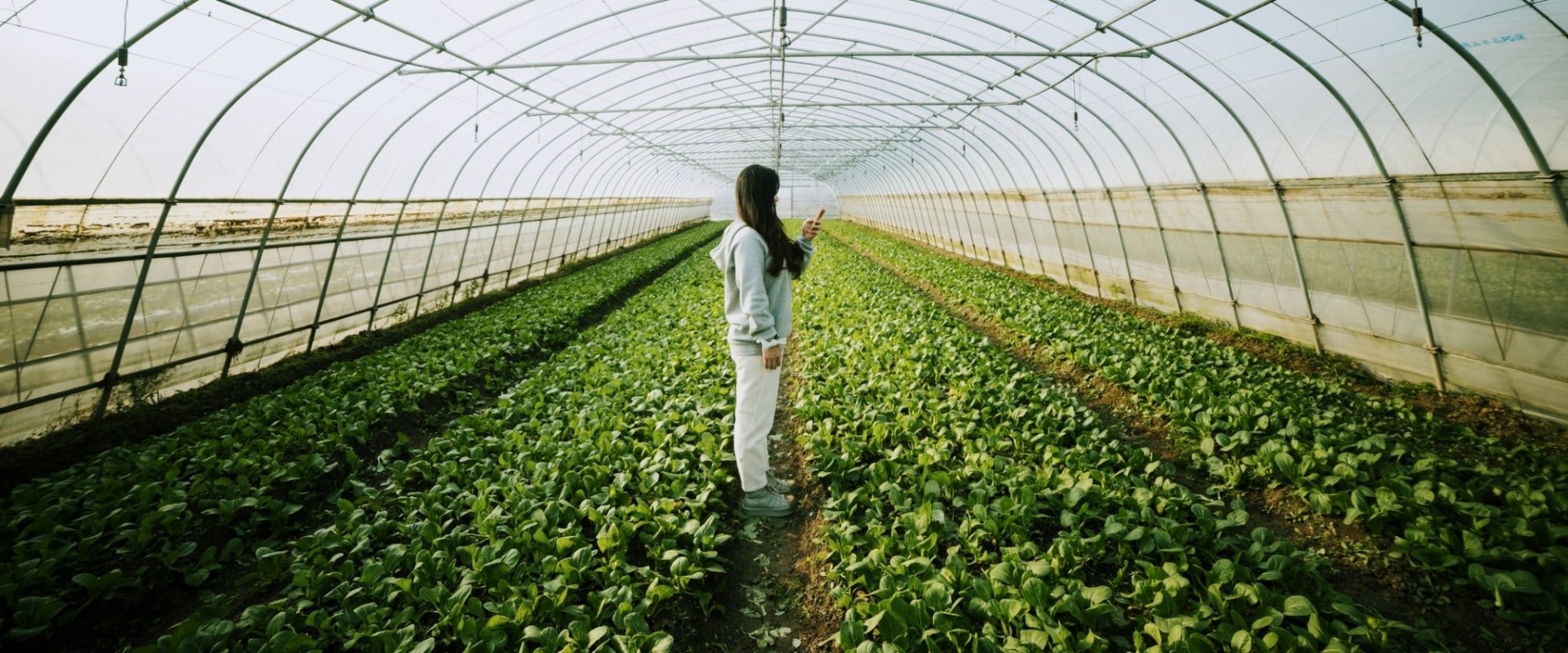
Sustainable farming represents a transformative approach to agriculture that prioritizes the health of our planet while ensuring food security for future generations. At its core, sustainable farming seeks to balance the needs of the environment, society, and economy, creating a system that is not only productive but also resilient. This method of farming addresses pressing environmental challenges such as climate change, soil degradation, and biodiversity loss by implementing practices that enhance ecological balance and resource conservation.The significance of sustainable farming extends beyond mere agricultural productivity; it encompasses a holistic view of how we interact with our natural resources. By adopting sustainable practices, farmers can reduce their reliance on harmful chemicals, improve soil health, and promote biodiversity.
This not only leads to healthier crops but also contributes to the overall well-being of ecosystems. Furthermore, sustainable agriculture practices can help mitigate the effects of climate change by sequestering carbon in the soil and reducing greenhouse gas emissions.As we delve deeper into the world of sustainable farming, it is essential to recognize its multifaceted benefits. From enhancing food quality and safety to fostering local economies and communities, sustainable agriculture offers a pathway toward a greener future. By understanding what sustainable farming entails and its various practices, we can appreciate its role in shaping a resilient agricultural landscape that meets the needs of both people and the planet.
1.Permaculture: Designing with Nature
Permaculture is a holistic approach to farming that emphasizes working with nature rather than against it.This sustainable farming practice is built on a set of principles designed to create self-sustaining ecosystems that are both productive and environmentally friendly. By mimicking natural ecosystems, permaculture aims to enhance biodiversity, conserve resources, and promote resilience in agricultural systems.
Principles of Permaculture
The core principles of permaculture can be summarized into three main ethics: care for the earth, care for people, and fair share. These ethics guide the design and implementation of permaculture systems:- Care for the Earth: This principle focuses on maintaining the health of our planet by protecting natural resources, enhancing soil fertility, and promoting biodiversity.
- Care for People: Permaculture seeks to create systems that meet human needs while ensuring that communities thrive sustainably.
- Fair Share: This principle encourages the equitable distribution of resources and surplus, ensuring that everyone has access to what they need.
Benefits of Permaculture
The benefits of adopting permaculture practices are numerous and far-reaching:- Biodiversity Enhancement: By integrating various plants and animals into a single system, permaculture promotes a diverse ecosystem that can better withstand pests and diseases.
- Resource Conservation: Permaculture techniques often involve rainwater harvesting, composting, and using renewable energy sources, which significantly reduce resource consumption.
- Soil Health Improvement: Practices such as cover cropping and mulching help maintain soil structure and fertility, leading to healthier crops over time.
- Resilience to Climate Change: Permaculture systems are designed to be adaptable, making them more resilient to extreme weather events and changing climate conditions.
Permaculture Techniques
Several techniques are commonly employed in permaculture design:- Zoning: This involves organizing the layout of a farm based on the frequency of use, placing high-maintenance plants closer to the home for easy access.
- Companion Planting: Certain plants are grown together to enhance growth, deter pests, or improve nutrient uptake.
- Swales: These are shallow trenches designed to capture rainwater and direct it into the soil, promoting water conservation and reducing erosion.
2.Reducing Synthetic Fertilizers: A Path to Healthier Soil
The use of synthetic fertilizers has become a cornerstone of modern agriculture, promising increased crop yields and enhanced productivity.However, the impact of synthetic fertilizers on both the environment and human health is increasingly coming under scrutiny. These fertilizers, often rich in nitrogen, phosphorus, and potassium, can lead to soil degradation, water pollution, and a host of health issues.One of the most significant concerns is the leaching of nitrates into groundwater. This not only contaminates drinking water but can also lead to serious health problems such as methemoglobinemia, or "blue baby syndrome," which affects infants. Additionally, the runoff from fields treated with synthetic fertilizers contributes to eutrophication , a process that depletes oxygen in water bodies and leads to dead zones where aquatic life cannot survive.Moreover, the over-reliance on these chemical inputs can disrupt the natural balance of soil ecosystems.
Beneficial microorganisms that play a crucial role in nutrient cycling and soil health can be adversely affected, leading to a decline in soil fertility over time.Fortunately, there are several alternatives to synthetic fertilizers that promote healthier soil and ecosystems. One effective method is crop rotation, which involves alternating different crops in a specific sequence. This practice helps replenish nutrients naturally and reduces pest and disease cycles.Cover crops are another excellent alternative. These are plants grown primarily to improve soil health rather than for harvest.
They prevent erosion, enhance soil structure, and increase organic matter when tilled back into the soil.
Organic farming methods
, such as composting and using animal manure, also provide sustainable nutrient sources. Compost enriches the soil with organic matter and beneficial microbes, while manure adds essential nutrients without the harmful side effects associated with synthetic options.Incorporating these practices not only mitigates the negative impacts of synthetic fertilizers but also fosters a more resilient agricultural system. By prioritizing organic methods and reducing reliance on chemicals, farmers can contribute to a healthier planet while ensuring long-term productivity.
3.Conservation Tillage: Protecting Soil Integrity
Conservation tillage is a sustainable farming practice that significantly contributes to maintaining soil integrity and preventing erosion. By minimizing the disturbance of soil, farmers can enhance its structure, promote biodiversity, and improve overall health.Conservation tillage is a sustainable farming practice that significantly contributes to maintaining soil integrity and preventing erosion. By minimizing the disturbance of soil, farmers can enhance its structure, promote biodiversity, and improve overall health.This method stands in stark contrast to traditional tillage practices, which often lead to soil degradation and increased erosion.
Benefits of Conservation Tillage
- Soil Structure Preservation: Conservation tillage helps maintain the natural structure of the soil. By reducing the frequency and intensity of tillage, farmers can prevent the compaction and disruption of soil layers, which are crucial for root development and water retention.
- Enhanced Soil Health: Healthy soil is teeming with microorganisms that play a vital role in nutrient cycling. Conservation tillage fosters a thriving ecosystem within the soil, allowing beneficial organisms to flourish while suppressing harmful pathogens.
- Carbon Sequestration: One of the most significant advantages of conservation tillage is its ability to sequester carbon. By leaving crop residues on the surface, carbon is stored in the soil rather than being released into the atmosphere as CO2. This practice not only mitigates climate change but also enriches the soil with organic matter.
- Erosion Prevention: Soil erosion is a major concern for farmers, particularly in areas prone to heavy rainfall or wind.
Conservation tillage reduces surface runoff and protects against erosion by maintaining a protective layer of organic matter on the soil surface.
Sustainable Tillage Methods
There are several sustainable tillage methods that farmers can adopt to implement conservation practices effectively:
- No-Till Farming: This method involves planting crops directly into undisturbed soil, which minimizes disruption and preserves soil structure.
- Reduced Tillage: Farmers can opt for reduced tillage systems that limit the number of passes over the field, thereby decreasing soil disturbance while still allowing for some cultivation.
- Strip Tillage: This technique involves tilling narrow strips where crops will be planted while leaving the rest of the field undisturbed. It combines the benefits of both conventional and no-till practices.
4.Agroforestry: Integrating Trees and Crops
Agroforestry is a dynamic and sustainable agricultural practice that integrates trees with crops and livestock on the same piece of land. This innovative approach not only enhances productivity but also contributes significantly to environmental health.By combining different plant species, agroforestry systems create a more resilient ecosystem that can withstand climate variability and promote biodiversity.
Benefits of Agroforestry
- Biodiversity Enhancement: Agroforestry systems support a diverse range of species, including various plants, animals, and microorganisms. This diversity helps to create a balanced ecosystem where natural pest control can occur, reducing the need for chemical pesticides.
- Soil Health Improvement: The presence of trees in agroforestry systems contributes to improved soil structure and fertility. Tree roots help to stabilize the soil, preventing erosion, while leaf litter adds organic matter that enriches the soil.
- Water Conservation: Trees play a crucial role in the water cycle by enhancing groundwater recharge and reducing surface runoff. Their canopy provides shade, which helps to maintain soil moisture levels, making agroforestry particularly beneficial in arid regions.
- Carbon Sequestration: By integrating trees into farming practices, agroforestry contributes to carbon sequestration.
Trees absorb carbon dioxide from the atmosphere, helping to mitigate climate change effects.
Agroforestry Systems
There are several types of agroforestry systems, each tailored to specific environmental conditions and farming goals:
- Alley Cropping: This system involves planting rows of trees alongside crops. The trees provide shade and wind protection while also improving soil health through their root systems.
- Silvopasture: In this system, livestock graze under a canopy of trees. This not only provides shade for the animals but also allows for better nutrient cycling as animal waste fertilizes the soil.
- Forest Farming: This practice involves cultivating high-value crops under the protection of a forest canopy. It allows farmers to take advantage of the unique microclimates created by trees.
By integrating trees with crops and livestock, farmers can enhance biodiversity, improve soil health, conserve water, and contribute to climate change mitigation. As we move towards a greener future, adopting agroforestry practices will be essential in creating resilient agricultural systems that support both food production and ecological balance.
5.Biodynamic Farming: A Holistic Approach to Agriculture
Biodynamic farming is a holistic approach to agriculture that emphasizes the interconnectedness of all living organisms within a farm ecosystem. This method goes beyond organic farming by incorporating spiritual and ecological principles, aiming to create a self-sustaining system that enhances soil fertility, biodiversity, and overall farm health.Principles of Biodynamic Farming
- Farm as an Organism: Biodynamic farming views the farm as a living organism where plants, animals, and soil interact in a balanced way. Each component plays a vital role in maintaining the health of the entire system.
- Cosmic Influences: This practice acknowledges the influence of celestial bodies on agricultural cycles.
Farmers often plant and harvest according to lunar phases and astrological calendars, believing that these factors can enhance crop growth.
- Soil Health: Biodynamic methods prioritize soil vitality through composting, cover cropping, and crop rotation. The use of biodynamic preparations—natural substances made from fermented herbs, minerals, and animal manures—further enriches the soil.
Biodynamic Practices
- Composting: Farmers create compost using specific biodynamic preparations to enhance microbial activity and nutrient availability in the soil.
- Crop Rotation: Rotating crops helps prevent soil depletion and pest buildup, promoting a diverse ecosystem that supports various plant species.
- Animal Integration: Livestock are integrated into the farming system to provide manure for fertilization and to help manage weeds and pests naturally.
Benefits of Biodynamic Farming
- Enhanced Soil Fertility: By focusing on natural processes and inputs, biodynamic farming improves soil structure and nutrient content, leading to healthier crops.
- Biodiversity Promotion: The diverse practices encourage a variety of plants and animals on the farm, which can lead to increased resilience against pests and diseases.
- Sustainability: Biodynamic farms often require fewer external inputs, reducing reliance on synthetic fertilizers and pesticides, thus promoting environmental sustainability.
The Future of Sustainable Farming: Trends and Innovations
The landscape of sustainable farming is rapidly evolving, driven by technological advancements and a growing awareness of environmental issues. As we look to the future, several key trends and innovations are emerging that promise to reshape agriculture in a more sustainable direction.Precision Agriculture
One of the most significant trends in sustainable farming is the rise of precision agriculture.This approach utilizes technology such as GPS, drones, and IoT (Internet of Things) devices to monitor and manage field variability in crops. By collecting data on soil health, moisture levels, and crop conditions, farmers can make informed decisions that optimize resource use. This not only enhances productivity but also minimizes waste and reduces the environmental impact of farming practices.
Vertical Farming
Another innovative trend is vertical farming, which involves growing crops in stacked layers or vertically inclined surfaces. This method allows for efficient land use, particularly in urban areas where space is limited.Vertical farms often employ hydroponics or aeroponics, reducing the need for soil and significantly decreasing water usage compared to traditional farming methods. As cities continue to grow, vertical farming could play a crucial role in providing fresh produce while minimizing transportation emissions.
Agroecology
Agroecology is gaining traction as a holistic approach that integrates ecological principles into agricultural practices. This method emphasizes biodiversity, crop rotation, and organic farming techniques to create resilient farming systems. By fostering a diverse ecosystem on farms, agroecology not only enhances soil health but also promotes pest control naturally, reducing the reliance on chemical pesticides.Biotechnology and Genetic Engineering
Advancements in biotechnology are also paving the way for sustainable agriculture.Genetic engineering can produce crops that are more resistant to pests and diseases, reducing the need for chemical inputs. Additionally, scientists are developing crops that require less water or can thrive in poor soil conditions, making it possible to farm in areas previously deemed unsuitable for agriculture.
Community-Supported Agriculture (CSA)
The concept of Community-Supported Agriculture (CSA) is another trend that fosters sustainability by connecting consumers directly with local farmers. In a CSA model, consumers purchase shares of a farm's harvest in advance, providing farmers with upfront capital while ensuring that consumers receive fresh, seasonal produce. This model not only supports local economies but also reduces the carbon footprint associated with transporting food over long distances.As these trends continue to develop, it is clear that the future of sustainable farming will be characterized by innovation and collaboration.By embracing new technologies and methodologies, farmers can contribute to a more sustainable food system that benefits both people and the planet.
Conclusion: Embracing Sustainable Farming for a Greener Future
As we reflect on the critical role of sustainable farming in shaping a healthier planet, it becomes evident that the practices discussed throughout this article are not merely options but necessities for our future. The integration of methods such as permaculture, reduced reliance on synthetic fertilizers, conservation tillage, agroforestry, and biodynamic farming represents a holistic approach to agriculture that prioritizes environmental health and resilience.Each of these practices contributes uniquely to the overarching goal of sustainability:- Permaculture fosters biodiversity and enhances soil health by mimicking natural ecosystems, allowing farmers to work in harmony with nature.
- Reducing synthetic fertilizers mitigates harmful emissions and promotes soil vitality through natural nutrient replenishment techniques like crop rotation and cover cropping.
- Conservation tillage preserves soil structure, reduces erosion, and enhances carbon sequestration, making it a vital practice in combating climate change.
- Agroforestry not only diversifies farm outputs but also improves water conservation and soil quality, creating a more resilient agricultural landscape.
- Biodynamic farming emphasizes the interconnectedness of all farm elements, promoting a self-sustaining ecosystem that enhances both productivity and ecological balance.
By choosing sustainably produced food and advocating for policies that promote environmentally friendly practices, we can all play a part in fostering a greener future. Together, let us commit to embracing sustainable farming as a pathway to a healthier planet and a more secure food system for generations to come.