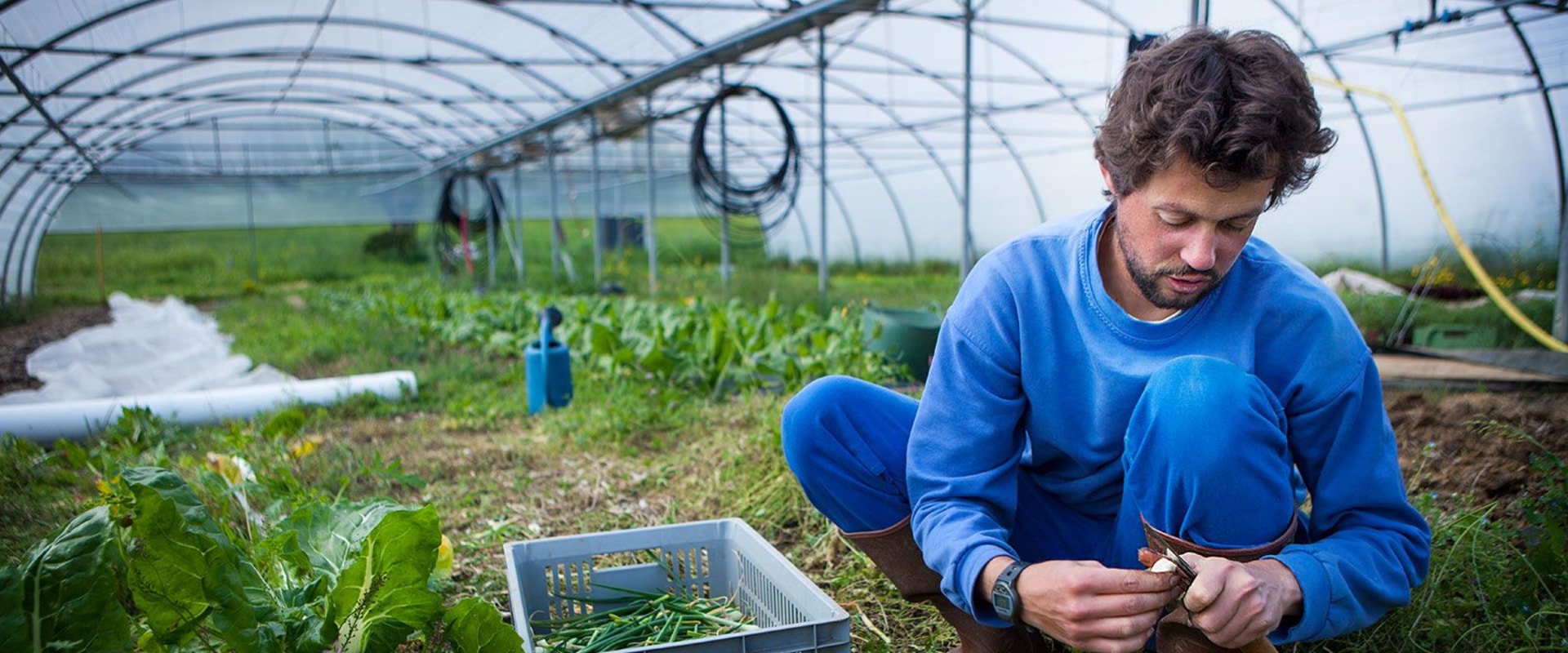
Sustainable farming represents a transformative approach to agriculture that prioritizes the health of our planet while ensuring food security for future generations. At its core, sustainable farming is about creating a balance between the needs of the environment, society, and the economy. This method of agriculture seeks to minimize the negative impacts of farming practices by utilizing resources in a way that preserves them for future use. By focusing on ecological balance, sustainable farming not only enhances productivity but also promotes biodiversity and soil health.The principles of sustainable agriculture encompass a variety of practices designed to protect natural resources.
These include crop rotation, organic farming, agroforestry, and integrated pest management. Each of these methods contributes to a more resilient agricultural system that can withstand the challenges posed by climate change and resource depletion. For instance, crop rotation helps maintain soil fertility and reduces the need for chemical fertilizers, while organic farming eliminates harmful pesticides that can contaminate water supplies.Moreover, the benefits of sustainable farming extend beyond environmental protection. By adopting these practices, farmers can improve their economic viability through reduced input costs and increased market opportunities for organic and sustainably produced goods.
Consumers are increasingly seeking out products that are not only healthy but also produced in an environmentally friendly manner. This shift in consumer preference creates a demand for sustainably farmed products, providing farmers with new avenues for profitability.In summary, understanding sustainable farming is crucial as it lays the groundwork for discussions about its importance in shaping the future of agriculture. As we face pressing global challenges such as climate change, food insecurity, and loss of biodiversity, embracing sustainable practices becomes not just beneficial but essential for ensuring a thriving planet and healthy populations.
The Environmental Impact of Traditional Farming
Traditional farming practices, while effective in increasing short-term yields, have led to significant environmental issues that threaten the sustainability of our ecosystems. One of the most pressing concerns is soil degradation.Intensive tillage, a common practice in conventional agriculture, disrupts the soil structure, leading to erosion and loss of vital nutrients. Over time, this results in diminished soil fertility, making it increasingly difficult for crops to thrive without the application of synthetic fertilizers.Moreover, the reliance on chemical inputs such as pesticides and fertilizers contributes to water pollution. When it rains, these chemicals can wash off fields and enter nearby water bodies, leading to nutrient runoff. This process can cause algal blooms, which deplete oxygen levels in the water and create dead zones where aquatic life cannot survive.
The contamination of drinking water sources poses serious health risks to communities relying on these resources.Another critical aspect of traditional farming is its impact on biodiversity. The practice of monoculture—growing a single crop over a large area—reduces genetic diversity and disrupts local ecosystems. This not only makes crops more susceptible to pests and diseases but also diminishes habitats for various species. As native plants and animals are displaced, the overall resilience of the ecosystem weakens, making it more vulnerable to climate change and other environmental stresses.In addition to these direct impacts, traditional farming methods contribute to climate change through greenhouse gas emissions.
The use of fossil fuels in machinery and the production of synthetic fertilizers release significant amounts of carbon dioxide and nitrous oxide into the atmosphere. These emissions exacerbate global warming, creating a vicious cycle that further threatens agricultural productivity.Understanding these negative consequences is crucial for recognizing the urgent need for sustainable farming practices. By shifting towards methods that prioritize environmental health, we can mitigate these impacts and work towards a more resilient agricultural system that supports both food production and ecological balance.
Key Principles of Sustainable Farming
Sustainable farming is built on a foundation of key principles that aim to create a balanced relationship between agricultural practices and the environment. These principles not only enhance productivity but also ensure the long-term viability of farming systems.Below are some of the core principles that define sustainable agriculture:
- Crop Rotation: This technique involves alternating the types of crops grown in a particular area across seasons. By rotating crops, farmers can improve soil health, reduce pest and disease cycles, and enhance biodiversity. For instance, planting legumes after cereal crops can naturally replenish nitrogen in the soil, reducing the need for synthetic fertilizers.
- Organic Farming: Organic farming emphasizes the use of natural inputs and processes. This includes avoiding synthetic pesticides and fertilizers, instead opting for organic alternatives such as compost, green manure, and biological pest control.
Organic methods not only protect the environment but also promote healthier food options for consumers.
- Integrated Pest Management (IPM): IPM is a holistic approach to managing pests that combines biological, cultural, physical, and chemical tools in a way that minimizes economic, health, and environmental risks. By monitoring pest populations and using targeted interventions, farmers can effectively control pests while reducing reliance on harmful chemicals.
- Agroforestry: This practice integrates trees and shrubs into agricultural landscapes. Agroforestry systems can enhance biodiversity, improve soil structure, and provide additional income sources through timber or fruit production. The presence of trees can also help in carbon sequestration, contributing to climate change mitigation.
- Soil Conservation: Healthy soil is vital for sustainable farming.
Techniques such as cover cropping, reduced tillage, and contour farming help prevent soil erosion, maintain moisture levels, and enhance soil fertility. These practices not only protect the land but also improve crop yields over time.
Benefits of Sustainable Farming for Society
Sustainable farming practices offer a multitude of benefits that extend far beyond the fields, positively impacting society as a whole. One of the most significant advantages is the enhancement of food security.By prioritizing local food production, sustainable agriculture reduces reliance on imported goods, which can be subject to fluctuations in price and availability. This localized approach not only ensures that communities have access to fresh produce but also strengthens the resilience of local food systems against global supply chain disruptions.Moreover, sustainable farming contributes to the vitality of local economies. When farmers adopt sustainable practices, they often engage in direct sales through farmers' markets or community-supported agriculture (CSA) programs. This not only keeps money within the community but also fosters relationships between consumers and producers.
As a result, communities can thrive economically while supporting their local farmers.In addition to economic benefits, there are profound health benefits associated with consuming food produced through sustainable methods. Foods grown organically or sustainably are typically free from harmful pesticides and synthetic fertilizers, which can have detrimental effects on human health. Studies have shown that organic produce often contains higher levels of essential nutrients and antioxidants, contributing to better overall health outcomes for consumers.Furthermore, sustainable farming practices promote biodiversity, which is crucial for maintaining healthy ecosystems. A diverse agricultural landscape can lead to improved soil health and reduced pest outbreaks, ultimately resulting in safer food for everyone.
By fostering a variety of crops and livestock, sustainable farms can also provide habitats for wildlife, enhancing the ecological balance within communities.Lastly, the community impact of sustainable farming extends to social cohesion. When individuals come together to support local agriculture—whether through volunteering on farms or participating in community events—they build stronger connections with one another. This sense of community not only enhances social ties but also cultivates a shared commitment to environmental stewardship and public health.In summary, the benefits of sustainable farming for society are vast and interconnected. From bolstering food security and local economies to promoting health and fostering community bonds, sustainable agriculture plays a pivotal role in creating a healthier and more resilient society.
Technological Innovations in Sustainable Agriculture
In the quest for a more sustainable future in agriculture, technological innovations play a pivotal role.These advancements not only enhance productivity but also ensure that farming practices are environmentally friendly and resource-efficient. One of the most significant developments in this area is precision agriculture , which utilizes technology to monitor and manage field variability in crops.
Precision agriculture
employs various tools and techniques, including GPS technology, soil sensors, and satellite imagery, to gather data about crop health, soil conditions, and weather patterns. This data-driven approach allows farmers to make informed decisions about when to plant, irrigate, fertilize, and harvest their crops. By applying resources more efficiently, farmers can reduce waste and minimize their environmental impact.
Drones: A New Perspective on Crop Monitoring
Drones have emerged as a game-changing technology in sustainable farming.Equipped with high-resolution cameras and sensors, drones can provide real-time aerial imagery of fields. This capability enables farmers to:
- Identify areas of crop stress or disease early on.
- Monitor irrigation systems for efficiency.
- Assess the effectiveness of fertilizers and pesticides.
Data Analytics: Optimizing Resource Use
The integration of data analytics into farming practices is another crucial innovation. By analyzing data collected from various sources—such as weather forecasts, soil moisture levels, and crop yields—farmers can optimize their resource use. For instance:- Water Management: Data analytics can help determine the optimal amount of water needed for irrigation, preventing overuse and conserving this vital resource.
- Nutrient Management: By understanding soil nutrient levels through data analysis, farmers can apply fertilizers more effectively, enhancing crop growth while minimizing runoff into nearby waterways.
By leveraging precision agriculture techniques, utilizing drones for monitoring, and employing data analytics for resource optimization, farmers can cultivate a more sustainable agricultural landscape that meets the needs of a growing population while protecting our planet's resources.
Challenges Facing Sustainable Farming
While the benefits of sustainable farming are clear, several challenges hinder its widespread adoption. Understanding these barriers is crucial for developing effective strategies to promote sustainable practices in agriculture.Economic Viability
One of the most significant challenges facing sustainable farming is its economic viability. Many farmers are concerned about the initial costs associated with transitioning to sustainable practices. For instance, organic certification can be expensive and time-consuming, requiring farmers to invest in new systems and processes.Additionally, the yield from sustainable farming methods may not always match that of conventional farming in the short term, leading to financial uncertainty.
Scalability Issues
Another barrier is scalability. While sustainable farming practices can be highly effective on a small scale, scaling these methods to meet the demands of a growing global population presents challenges. For example, crop rotation and polyculture require more land and labor compared to monoculture systems, which can be less efficient in terms of resource use. This raises questions about how to maintain productivity while adhering to sustainable principles.Resistance from Traditional Agricultural Sectors
The traditional agricultural sector often resists the shift towards sustainability due to established practices and economic interests.Many large-scale farms rely heavily on chemical fertilizers and pesticides, which have been integral to their operations for decades. This resistance can manifest in lobbying against policies that promote sustainable agriculture or in the dissemination of misinformation about its efficacy.
Market Access and Consumer Awareness
Furthermore, market access poses a challenge for sustainable farmers. Many consumers are still unaware of the benefits of sustainable farming, leading to lower demand for organic and sustainably produced goods. Without sufficient consumer support, farmers may struggle to justify the transition away from conventional methods.In conclusion, while sustainable farming offers numerous advantages for environmental health and food security, addressing these challenges is essential for its future success.By fostering economic incentives, improving scalability, and increasing consumer awareness, we can pave the way for a more sustainable agricultural landscape.
The Role of Policy and Education in Promoting Sustainable Farming
Government policies and educational initiatives play a pivotal role in facilitating the transition to sustainable farming. As the agricultural landscape evolves, it is essential for policymakers to create frameworks that not only support farmers but also promote environmentally friendly practices. This can be achieved through a combination of incentives, regulations, and educational programs aimed at enhancing farmers' knowledge and skills.Incentives for Sustainable Practices
One of the most effective ways to encourage farmers to adopt sustainable practices is through financial incentives. Governments can offer grants, tax breaks, or subsidies for farmers who implement sustainable farming techniques.
For instance, programs that provide funding for organic certification or for transitioning to regenerative agriculture can significantly reduce the financial burden on farmers. Additionally, low-interest loans can help farmers invest in necessary equipment and technology that supports sustainable practices.
Education and Training Programs
Education is equally crucial in promoting sustainable agriculture. Training programs that focus on modern farming techniques, soil health, pest management, and water conservation can empower farmers with the knowledge they need to make informed decisions. Workshops, online courses, and community-based training sessions can serve as platforms for sharing best practices and innovative solutions.
Furthermore, partnerships between agricultural colleges and local farms can facilitate hands-on learning experiences that are invaluable for new and existing farmers alike.
Government Support for Organic Farmers
Support for organic farmers is another critical aspect of promoting sustainable farming. Governments can establish policies that prioritize organic agriculture by providing resources such as research funding, marketing assistance, and access to organic seeds. By creating a favorable environment for organic farming, policymakers can help ensure that these practices are not only viable but also competitive in the marketplace.
Conclusion
In summary, the role of policy and education in promoting sustainable farming cannot be overstated. By implementing supportive policies and providing comprehensive educational resources, governments can facilitate a shift towards more sustainable agricultural practices.
This not only benefits farmers but also contributes to a healthier environment and food system for future generations.
Case Studies: Successful Sustainable Farming Practices Around the World
Across the globe, numerous farms have successfully implemented sustainable farming practices, demonstrating that it is possible to produce food while also caring for the environment. Here are some notable case studies that highlight effective sustainable agriculture initiatives:1.The Rodale Institute, USA
Located in Pennsylvania, the Rodale Institute has been a pioneer in organic farming research since 1947. Their long-term studies compare organic and conventional farming methods, revealing that organic practices can yield comparable or even higher outputs over time. The institute emphasizes crop rotation, cover cropping, and composting to enhance soil health and biodiversity. Their findings advocate for sustainable farming as a viable solution to modern agricultural challenges.2.The Svalbard Global Seed Vault, Norway
This unique facility serves as a global backup for seed diversity, preserving thousands of plant species from around the world.By safeguarding genetic material, the Seed Vault plays a crucial role in ensuring food security in the face of climate change and other threats. This initiative highlights the importance of biodiversity in sustainable agriculture, as diverse crops can better withstand pests and diseases.
3.The Zero Budget Natural Farming (ZBNF) Movement, India
In India, the ZBNF movement promotes a method of farming that eliminates the need for chemical fertilizers and pesticides. Farmers are encouraged to use local resources and traditional practices to enhance soil fertility and crop resilience. This approach not only reduces costs but also improves farmers' livelihoods by increasing their autonomy and reducing dependency on external inputs.4.Agroforestry in Brazil
Agroforestry combines agriculture with forestry practices to create more sustainable land-use systems.In Brazil, farmers are integrating trees into their crop and livestock systems, which helps improve soil quality, increase biodiversity, and provide additional income sources through timber and fruit production. This practice exemplifies how sustainable farming can enhance both ecological health and economic viability.
5.The Netherlands' Greenhouse Innovations
The Netherlands is known for its advanced greenhouse technology that maximizes resource efficiency. Dutch farmers utilize hydroponics and vertical farming techniques to grow crops with minimal water usage while maximizing space. These innovations not only reduce environmental impact but also allow for year-round production, showcasing how technology can drive sustainable agriculture.These case studies illustrate that successful sustainable farming practices are not only feasible but also beneficial for farmers, consumers, and the environment alike.By learning from these examples, we can inspire more farmers worldwide to adopt sustainable methods that ensure food security for future generations.
Future Trends in Sustainable Agriculture
The landscape of agriculture is on the brink of a significant transformation, driven by the urgent need for sustainable farming practices. As we look to the future, several key trends are emerging that promise to reshape how we approach food production and environmental stewardship.1.Precision Agriculture
One of the most promising advancements in sustainable farming is the rise of precision agriculture. This approach utilizes technology such as GPS, drones, and IoT devices to monitor crop health and optimize resource use. By collecting real-time data, farmers can make informed decisions about irrigation, fertilization, and pest control, significantly reducing waste and environmental impact.
2.Regenerative Agriculture
Regenerative agriculture is gaining traction as a holistic approach that goes beyond sustainability.
It focuses on restoring soil health, increasing biodiversity, and enhancing ecosystem services. Techniques such as cover cropping, crop rotation, and agroforestry are being adopted to improve soil fertility and sequester carbon, making farms more resilient to climate change.
3.Vertical Farming
As urbanization continues to rise, vertical farming presents a viable solution for producing food in densely populated areas. This innovative method involves growing crops in stacked layers using controlled environments, which can drastically reduce land use and water consumption while minimizing transportation emissions.
4.Biotechnology and Genetic Engineering
Advancements in biotechnology are paving the way for crops that are more resistant to pests and diseases while requiring fewer chemical inputs. Genetic engineering can enhance nutritional content and yield potential, contributing to food security without compromising environmental integrity.
5.Community-Supported Agriculture (CSA)
The CSA model is fostering a closer connection between consumers and local farmers.
By subscribing to a farm's produce, consumers support sustainable practices while receiving fresh, seasonal food directly from the source. This trend not only promotes local economies but also encourages sustainable farming methods that prioritize ecological health.In conclusion, the future of agriculture hinges on our ability to embrace these emerging trends in sustainable farming. By integrating technology, innovative practices, and community engagement, we can create a resilient agricultural system that meets the needs of our growing population while safeguarding our planet for future generations.
Conclusion: The Path Forward for Agriculture and Sustainability
As we reflect on the future of agriculture, it becomes increasingly clear that sustainable farming is not merely an option but a necessity for ensuring the health of our planet and society. Throughout this discussion, we have explored various facets of sustainable agriculture, highlighting its potential to mitigate environmental degradation, enhance food security, and promote social equity.One of the most compelling arguments for adopting sustainable practices is their ability to reduce reliance on harmful chemicals and non-renewable resources.By prioritizing organic methods, crop rotation, and integrated pest management, farmers can significantly decrease the negative impacts associated with conventional farming. This shift not only protects biodiversity but also fosters healthier ecosystems that can better withstand climate change.Moreover, sustainable farming practices contribute to the resilience of local communities. By supporting local economies through community-supported agriculture (CSA) and farmer's markets, we can create a more equitable food system that empowers farmers and consumers alike. This approach not only strengthens community ties but also ensures that food is produced and consumed in a manner that respects both people and the planet.Education plays a pivotal role in this transition.
It is essential to equip farmers with the knowledge and resources necessary to implement sustainable practices effectively. By investing in training programs and providing access to innovative technologies, we can facilitate a smoother transition towards sustainability in agriculture.In conclusion, the path forward for agriculture lies in embracing sustainable farming as a core principle. The benefits are manifold: from improving soil health and conserving water to enhancing food quality and fostering community resilience. As we move forward, it is imperative that all stakeholders—farmers, consumers, policymakers, and educators—collaborate to create a sustainable agricultural framework that not only meets our current needs but also safeguards the future for generations to come.