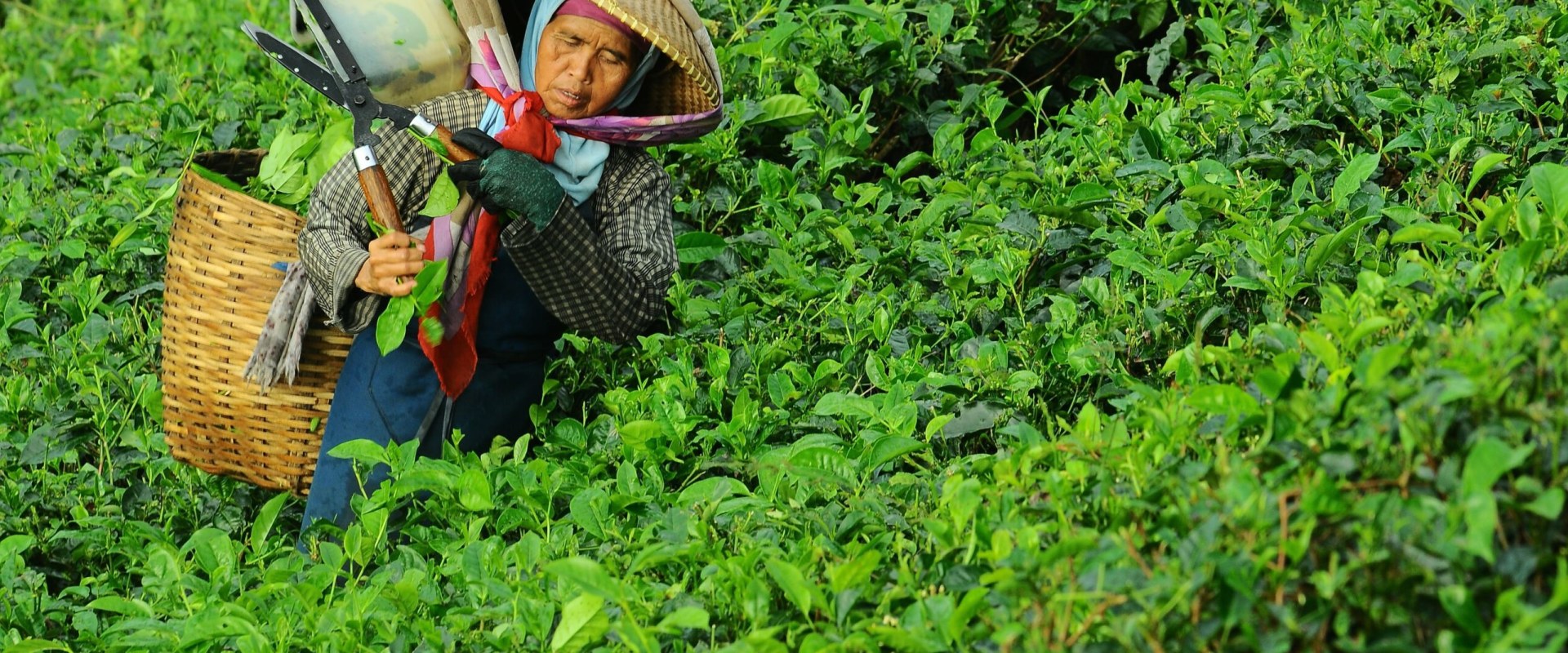
Sustainable agriculture is a holistic approach to farming that seeks to balance the need for food production with the preservation of environmental health. At its core, sustainable farming is defined as agricultural practices that meet current food and textile needs without compromising the ability of future generations to meet their own needs. This concept encompasses a variety of practices, including crop rotation, agroforestry, organic farming, and integrated pest management, all aimed at enhancing productivity while minimizing negative impacts on the ecosystem.The importance of sustainable agriculture cannot be overstated in today’s world. As the global population continues to rise, the demand for food increases correspondingly.
However, traditional farming methods often lead to soil degradation, water scarcity, and loss of biodiversity. By adopting sustainable practices, farmers can improve soil health, conserve water resources, and promote biodiversity, ensuring that agricultural systems remain productive and resilient in the face of climate change and other environmental challenges.Moreover, sustainable agriculture plays a crucial role in addressing social issues such as food security and rural development. By focusing on local food systems and community-based approaches, sustainable farming can empower farmers and enhance their livelihoods. This not only contributes to economic stability but also fosters a sense of community and connection to the land.
In essence, sustainable agriculture is not just about growing food; it is about cultivating a healthier planet and society.
The Environmental Impact of Traditional Farming Practices
Traditional farming practices, while historically significant, have increasingly come under scrutiny for their detrimental effects on the environment. These methods often prioritize short-term yields over long-term sustainability, leading to a range of environmental issues that threaten the very resources we depend on.Soil Degradation
is one of the most pressing concerns associated with conventional agriculture. Intensive tillage, a common practice in traditional farming, disrupts soil structure and depletes essential nutrients. This not only reduces soil fertility but also increases erosion, making it difficult for crops to thrive.
Over time, the loss of topsoil can lead to desertification, rendering once-productive land barren.Moreover, the reliance on chemical fertilizers and pesticides exacerbates soil degradation. These substances can alter the natural microbial communities within the soil, diminishing its health and resilience. As a result, farmers may find themselves trapped in a cycle of dependency on synthetic inputs to maintain crop productivity.
Water Pollution
is another significant consequence of traditional farming practices. The runoff from fields treated with fertilizers and pesticides often finds its way into nearby water bodies, leading to nutrient pollution.
This can cause harmful algal blooms that deplete oxygen levels in water, resulting in dead zones where aquatic life cannot survive. Additionally, these chemicals can contaminate drinking water sources, posing health risks to local communities.The impact of conventional farming extends beyond soil and water; it also contributes to a loss of biodiversity. Monoculture—the practice of growing a single crop over vast areas—reduces habitat diversity and disrupts ecosystems. This not only threatens native plant and animal species but also makes agricultural systems more vulnerable to pests and diseases.
A lack of biodiversity can lead to increased reliance on chemical interventions, further perpetuating the cycle of environmental degradation.In summary, the negative effects of traditional farming practices are profound and multifaceted. From soil degradation and water pollution to biodiversity loss, these impacts highlight the urgent need for a shift towards more sustainable farming methods. Understanding these challenges is crucial for fostering an agricultural system that not only meets our current food needs but also preserves the environment for future generations.
Key Principles of Sustainable Farming
Sustainable farming is grounded in several key principles that aim to create a balanced relationship between agricultural practices and the environment. These principles not only enhance productivity but also ensure the long-term health of our ecosystems.Below are some of the fundamental principles of sustainable agriculture:
- Crop Rotation: This technique involves alternating the types of crops grown in a particular area across seasons. By rotating crops, farmers can improve soil health, reduce pest and disease cycles, and enhance biodiversity. For instance, planting legumes after cereal crops can naturally replenish nitrogen levels in the soil, reducing the need for synthetic fertilizers.
- Organic Farming: Organic farming emphasizes the use of natural inputs and processes. This includes avoiding synthetic pesticides and fertilizers, which can harm beneficial organisms and degrade soil quality.
Instead, organic farmers utilize compost, cover crops, and natural pest control methods to maintain soil fertility and manage pests sustainably.
- Integrated Pest Management (IPM): IPM is a holistic approach to pest control that combines biological, cultural, physical, and chemical tools in a way that minimizes economic, health, and environmental risks. By monitoring pest populations and using targeted interventions only when necessary, farmers can effectively manage pests while reducing reliance on harmful chemicals.
- Agroforestry: This practice integrates trees and shrubs into agricultural landscapes. Agroforestry systems can enhance biodiversity, improve soil structure, and provide additional income sources through timber or fruit production. The presence of trees also helps in carbon sequestration, contributing to climate change mitigation.
- Soil Conservation: Healthy soil is the foundation of sustainable farming.
Practices such as no-till farming, cover cropping, and contour plowing help prevent soil erosion, maintain moisture levels, and enhance soil organic matter. These methods not only protect the land but also improve crop yields over time.
Benefits of Sustainable Agriculture
Adopting sustainable farming practices offers a multitude of benefits that extend beyond the farm gate, positively impacting farmers, consumers, and the environment alike. Understanding these advantages can serve as a powerful motivator for more farmers to transition to sustainable methods.Economic Advantages
- Cost Savings: Sustainable agriculture often leads to reduced input costs.
By utilizing organic fertilizers, cover crops, and integrated pest management, farmers can decrease their reliance on expensive chemical inputs.
- Market Opportunities: There is a growing consumer demand for sustainably produced goods. Farmers who adopt sustainable practices can tap into premium markets, often receiving higher prices for their products.
- Resilience to Market Fluctuations: Sustainable farming systems tend to be more resilient to economic shocks. By diversifying crops and employing practices that enhance soil health, farmers can better withstand price volatility and climate-related challenges.
Improved Food Security
Sustainable agriculture plays a crucial role in enhancing food security. By focusing on local food systems and reducing dependency on imported goods, sustainable practices can help communities become more self-sufficient.
Additionally, sustainable methods often lead to increased crop yields over time due to improved soil health and biodiversity.
Enhanced Ecosystem Services
- Biodiversity Conservation: Sustainable farming promotes biodiversity by maintaining diverse crop rotations and preserving natural habitats. This not only supports wildlife but also enhances pollination and pest control.
- Soil Health Improvement: Practices such as crop rotation, cover cropping, and reduced tillage contribute to healthier soils. Healthy soils are more productive and better at retaining water, which is essential in times of drought.
- Water Conservation: Sustainable agriculture often incorporates techniques that improve water management, such as rainwater harvesting and drip irrigation. These methods help conserve water resources while ensuring crops receive adequate moisture.
From economic advantages that bolster farmers' livelihoods to enhanced food security and ecosystem services that benefit society as a whole, the transition to sustainable farming is not just an environmental imperative but also a practical choice for the future of agriculture.
Challenges in Implementing Sustainable Agriculture
Implementing sustainable agriculture practices is essential for the long-term health of our planet, yet farmers encounter numerous challenges that can hinder their efforts. Understanding these obstacles is crucial for developing effective solutions that promote eco-friendly farming.One of the primary barriers to adopting sustainable farming methods is financial constraints. Transitioning to sustainable practices often requires significant upfront investment in new technologies, equipment, and training. For many farmers, especially those operating on tight margins, the cost of implementing these changes can be prohibitive.Additionally, the return on investment may not be immediate, leading to reluctance in making such financial commitments.Another significant challenge is the lack of knowledge and resources. Many farmers may not be fully aware of the benefits of sustainable practices or how to implement them effectively. This gap in knowledge can stem from limited access to educational resources or training programs focused on sustainable agriculture. Furthermore, farmers may struggle to find reliable information tailored to their specific regional conditions and crop types.Market access also poses a considerable challenge for those looking to adopt sustainable farming methods.
While consumer demand for organic and sustainably produced goods is on the rise, farmers often face difficulties in accessing these markets. This can include a lack of infrastructure for distribution or certification processes that can be complex and time-consuming. Without a clear pathway to market their products, many farmers may hesitate to invest in sustainable practices.Additionally, policy and regulatory frameworks can create obstacles. In some regions, existing agricultural policies may favor conventional farming methods over sustainable alternatives.
This can limit financial incentives or support for farmers who wish to transition to more eco-friendly practices. Advocacy for policy changes that support sustainable agriculture is essential for overcoming these barriers.In conclusion, while the shift towards sustainable farming is vital for environmental health and food security, addressing the challenges faced by farmers is crucial. By providing financial support, enhancing education and resources, improving market access, and advocating for favorable policies, we can help facilitate the transition to more sustainable agricultural practices.
Government Policies and Support for Sustainable Agriculture
Government policies play a crucial role in fostering sustainable farming practices across the United States. By implementing various programs and incentives, organizations such as the USDA (United States Department of Agriculture) and NRCS (Natural Resources Conservation Service) aim to support farmers in transitioning to more environmentally friendly methods of agriculture.One of the primary ways the government encourages sustainable agriculture is through financial assistance programs.These programs are designed to help farmers offset the costs associated with adopting new practices that promote sustainability. For instance, the Environmental Quality Incentives Program (EQIP) provides cost-sharing opportunities for farmers who implement conservation practices that improve soil health, water quality, and wildlife habitat.Additionally, the Conservation Stewardship Program (CSP) rewards farmers for maintaining and enhancing their existing conservation systems. This program not only incentivizes sustainable practices but also encourages continuous improvement in agricultural operations. Farmers enrolled in CSP can receive payments for implementing new conservation activities that further enhance their environmental stewardship.The USDA also offers grants and loans through various initiatives aimed at promoting sustainable agriculture.
The Rural Development program , for example, provides funding for projects that enhance agricultural sustainability, including renewable energy projects and innovative farming techniques. These financial resources are vital for farmers looking to invest in sustainable technologies.Moreover, educational resources and technical assistance are essential components of government support for sustainable farming. The USDA and NRCS provide training programs and workshops that equip farmers with the knowledge needed to implement sustainable practices effectively. These initiatives help bridge the gap between traditional farming methods and modern sustainable techniques.In conclusion, government policies and support systems are integral to advancing sustainable agriculture.
By offering financial assistance, educational resources, and technical guidance, organizations like the USDA and NRCS empower farmers to adopt practices that not only benefit their operations but also contribute to a healthier environment for future generations.
Case Studies: Successful Sustainable Farming Practices
In the realm of sustainable farming, numerous farms across the globe have set exemplary standards by successfully implementing eco-friendly practices. These case studies not only highlight the feasibility of sustainable agriculture but also serve as a source of inspiration for farmers looking to adopt similar methods.1.Polyface Farm, Virginia
Founded by Joel Salatin, Polyface Farm is a prime example of how sustainable farming can thrive in a modern context. This farm utilizes a rotational grazing system that mimics natural ecosystems, allowing livestock to graze on pasture while simultaneously fertilizing the land. By rotating animals through different pastures, Polyface Farm enhances soil health, reduces erosion, and increases biodiversity.The farm also emphasizes local food systems, selling directly to consumers and fostering community connections.
2.The Rodale Institute, Pennsylvania
The Rodale Institute has been at the forefront of organic farming research for over four decades. Their case studies in sustainable agriculture demonstrate the benefits of organic practices such as cover cropping, crop rotation, and composting. The institute's long-term studies show that organic farming can yield comparable or even higher outputs than conventional methods while improving soil health and reducing reliance on synthetic fertilizers and pesticides.3.Singing Frogs Farm, California
Singing Frogs Farm is a small-scale operation that has gained recognition for its innovative approach to eco-friendly farming. By employing no-till practices and integrating diverse crops, this farm has achieved remarkable productivity without the use of chemical inputs.Their focus on biodiversity not only enhances resilience against pests but also improves soil structure and fertility. The farm's success illustrates that sustainable practices can be both profitable and environmentally beneficial.
4.Green Mountain College Farm, Vermont
This educational farm serves as a living laboratory for students studying sustainable agriculture. Green Mountain College Farm employs a variety of sustainable practices including agroecology, permaculture design, and integrated pest management. By engaging students in hands-on learning experiences, the farm promotes awareness of sustainable practices while contributing to local food systems.These examples showcase that sustainable farming is not only achievable but can also lead to thriving agricultural operations that benefit both the environment and local communities.As more farmers adopt these practices, the potential for a more sustainable future in agriculture becomes increasingly attainable.
The Future of Sustainable Agriculture
As we look to the future of sustainable agriculture, it is essential to recognize the transformative trends and innovations that are emerging within the industry. These advancements not only promise to enhance productivity but also aim to minimize environmental impact, ensuring that farming practices remain viable for generations to come.One of the most significant trends shaping the future of sustainable farming is precision agriculture. This approach utilizes advanced technologies such as GPS, IoT (Internet of Things), and data analytics to optimize field-level management regarding crop farming. By employing sensors and drones, farmers can monitor soil health, moisture levels, and crop conditions in real-time.This data-driven strategy allows for more efficient use of resources, reducing waste and enhancing yields while minimizing the ecological footprint.Another promising innovation is the integration of biotechnology in crop production. Genetic engineering and CRISPR technology enable the development of crop varieties that are more resilient to pests, diseases, and climate change. These genetically modified organisms (GMOs) can require fewer chemical inputs, such as pesticides and fertilizers, thereby promoting a more sustainable approach to farming. Additionally, biofortification can enhance the nutritional quality of crops, addressing food security issues while supporting sustainable practices.Furthermore, the rise of agroecology emphasizes the importance of biodiversity in farming systems.
By incorporating diverse crops and livestock into agricultural practices, farmers can create more resilient ecosystems that naturally regulate pests and diseases. This holistic approach not only improves soil health but also enhances carbon sequestration, contributing to climate change mitigation efforts.Looking ahead, it is crucial for stakeholders in the agricultural sector—farmers, policymakers, researchers, and consumers—to collaborate on developing frameworks that support these innovations. Investment in research and development is vital to ensure that sustainable practices are not only adopted but also continuously improved upon. Education and training programs can empower farmers with the knowledge needed to implement these technologies effectively.In conclusion, the future of sustainable agriculture hinges on embracing innovation while remaining committed to environmental stewardship.
By leveraging advancements in precision farming, biotechnology, and agroecology, we can pave the way for a more sustainable agricultural landscape that meets the needs of both people and the planet.
Conclusion: The Path Forward for Sustainable Agriculture
As we reflect on the critical role of sustainable farming in shaping a healthier planet, it becomes evident that the transition to sustainable agricultural practices is not merely an option but a necessity. The challenges posed by climate change, soil degradation, and biodiversity loss demand immediate action from all stakeholders in the agricultural sector.Throughout this discussion, we have highlighted several key points that underscore the importance of adopting sustainable practices:- Environmental Stewardship: Sustainable agriculture prioritizes the health of our ecosystems. By implementing practices that conserve water, reduce chemical inputs, and enhance soil health, farmers can contribute to a more resilient environment.
- Economic Viability: Transitioning to sustainable farming can lead to long-term economic benefits. By reducing reliance on costly synthetic inputs and improving soil fertility, farmers can enhance their productivity and profitability.
- Social Responsibility: Sustainable agriculture promotes food security and supports local communities.
By focusing on local food systems and equitable access to resources, we can ensure that future generations have access to nutritious food.
- Innovation and Research: The advancement of sustainable farming techniques relies heavily on research and innovation. Investing in agricultural research can lead to the development of new technologies and practices that further enhance sustainability.
As we move forward, let us commit to fostering an agricultural system that not only meets our current needs but also safeguards the environment for generations to come. Together, we can cultivate a sustainable future that benefits all living beings on Earth.