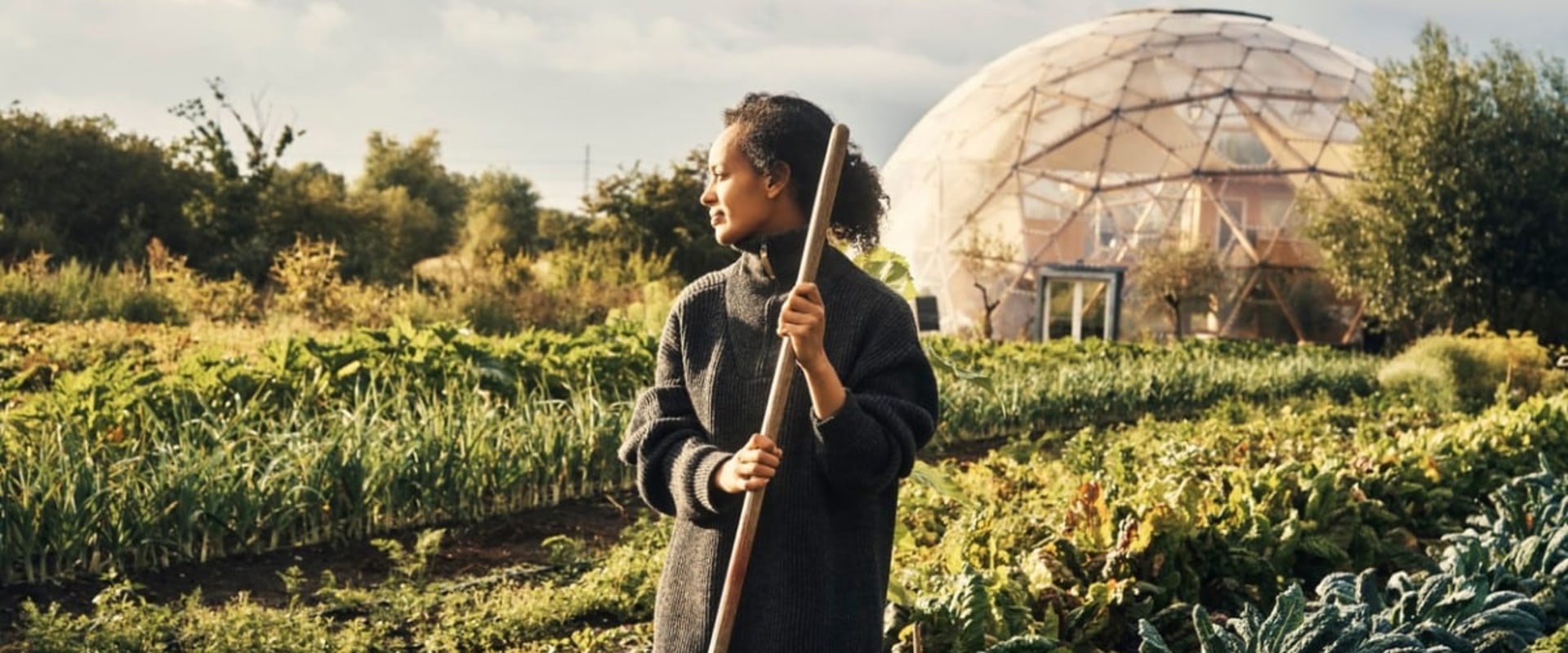
Sustainable farming, often referred to as eco-friendly agriculture, is a holistic approach to food production that prioritizes the health of the environment, the economy, and society. At its core, sustainable farming seeks to meet the needs of the present without compromising the ability of future generations to meet their own needs. This method of agriculture emphasizes practices that are not only productive but also environmentally sound, socially responsible, and economically viable.The definition of sustainable farming encompasses a variety of practices aimed at enhancing soil health, conserving water, and promoting biodiversity. It involves techniques such as crop rotation, agroforestry, and organic farming, which work in harmony with natural ecosystems rather than against them.
By mimicking natural processes, sustainable farming can improve soil fertility and reduce reliance on chemical fertilizers and pesticides, ultimately leading to healthier crops and a more resilient agricultural system.The importance of sustainable farming cannot be overstated in today’s world. As global populations continue to rise and climate change poses significant challenges to traditional agricultural methods, the need for sustainable practices becomes increasingly urgent. Sustainable farming not only helps mitigate environmental degradation but also supports local economies by fostering community engagement and ensuring fair labor practices. Furthermore, it plays a crucial role in food security by promoting diverse cropping systems that can withstand pests, diseases, and changing climate conditions.In summary, understanding sustainable farming is essential for anyone interested in the future of agriculture.
It represents a shift towards more responsible food production methods that benefit not just farmers but also consumers and the planet as a whole. As we delve deeper into the benefits of sustainable farming, it becomes clear that this approach is not merely an option but a necessity for a sustainable future.
Environmental Benefits of Sustainable Farming
Sustainable farming practices play a crucial role in enhancing environmental health, addressing several pressing ecological issues. By prioritizing methods that work in harmony with nature, sustainable agriculture contributes significantly to soil preservation, water conservation, and biodiversity protection.Soil Preservation
One of the most significant benefits of sustainable farming is its focus on soil health. Traditional farming methods often lead to soil degradation through excessive tillage, chemical fertilizers, and monoculture practices.
In contrast, sustainable farming employs techniques such as crop rotation, cover cropping, and reduced tillage to maintain and enhance soil fertility. These practices help:
- Prevent erosion: By keeping the soil covered with plants, farmers can reduce the risk of erosion caused by wind and water.
- Enhance soil structure: Healthy soils have better structure, which improves water infiltration and root penetration.
- Increase organic matter: Adding organic materials like compost or manure boosts soil fertility and microbial activity.
Water Conservation
Sustainable farming also emphasizes efficient water use, which is critical in an era of increasing water scarcity. Techniques such as drip irrigation, rainwater harvesting, and the use of drought-resistant crop varieties help farmers optimize water usage. These methods not only conserve water but also:
- Reduce runoff: By minimizing surface irrigation, sustainable practices decrease the amount of water that runs off into nearby waterways, which can lead to pollution.
- Improve water quality: Sustainable farming reduces the need for chemical inputs that can leach into groundwater and surface waters.
Biodiversity Protection
The ecological impact of sustainable agriculture extends to biodiversity conservation.
By promoting diverse cropping systems and preserving natural habitats, sustainable farming helps protect various species of plants and animals. This approach fosters:
- Habitat preservation: Sustainable farms often maintain hedgerows, wetlands, and other natural areas that serve as habitats for wildlife.
- Pest control: Biodiversity encourages natural pest predators, reducing the need for chemical pesticides.
- Pollinator support: Diverse crops provide food sources for pollinators like bees, which are essential for many agricultural systems.
Economic Advantages of Sustainable Farming
The economic advantages of sustainable farming are becoming increasingly evident as more farmers and consumers recognize the long-term benefits of these practices. By adopting sustainable agricultural methods, farmers can not only enhance their profitability but also contribute to a healthier economy.One of the primary economic benefits of sustainable farming is the potential for cost savings.Traditional farming often relies heavily on chemical fertilizers and pesticides, which can be expensive and lead to diminishing returns over time. In contrast, sustainable practices such as crop rotation, cover cropping, and organic pest management can reduce dependency on these costly inputs. For instance, by improving soil health through organic matter addition, farmers can enhance soil fertility naturally, leading to lower input costs.Moreover, there is a growing market demand for organic and sustainably produced products. Consumers are increasingly willing to pay a premium for food that is grown without harmful chemicals and in an environmentally friendly manner.
This shift in consumer preferences presents a lucrative opportunity for farmers who adopt sustainable practices. According to recent studies, the organic food market has seen consistent growth, with sales reaching over $50 billion in the United States alone. This trend indicates that farmers who transition to sustainable methods can tap into a profitable niche market.In addition to immediate cost savings and market opportunities, sustainable farming practices often lead to long-term profitability. By focusing on soil health and biodiversity, farmers can create resilient ecosystems that are better equipped to withstand climate variability and pest pressures.
This resilience translates into more stable yields over time, reducing the financial risks associated with crop failures due to environmental factors.Furthermore, sustainable farming can enhance community economic development. By sourcing locally and engaging in direct-to-consumer sales models such as farmers' markets or community-supported agriculture (CSA), farmers can keep more revenue within their local economies. This not only supports local jobs but also fosters a sense of community connection between producers and consumers.In conclusion, the economic advantages of sustainable farming extend beyond individual farms to benefit entire communities and economies. By embracing sustainable practices, farmers can achieve cost-effectiveness, tap into growing market demands, and ensure long-term profitability while contributing positively to their local environments.
Social Impacts of Sustainable Farming
The social implications of sustainable farming extend far beyond environmental benefits, significantly influencing food security, community resilience, and social equity.By adopting practices that prioritize ecological balance, sustainable agriculture fosters a more equitable food system that can uplift local communities.
Improving Food Security
One of the most pressing challenges facing our global society is food security. Sustainable farming practices contribute to this by enhancing the availability and accessibility of nutritious food. By focusing on local production, these methods reduce dependency on long supply chains that can be disrupted by climate change or economic instability. For instance, community-supported agriculture (CSA) programs allow consumers to buy shares of local farms, ensuring a steady supply of fresh produce while supporting local economies.
Supporting Local Communities
Sustainable farming not only provides food but also strengthens local economies.
When farmers engage in sustainable practices, they often rely on local resources and labor, which keeps money circulating within the community. This approach can lead to job creation in various sectors, from farming to processing and distribution. Moreover, sustainable farms often engage in direct sales through farmers' markets or local co-ops, fostering relationships between producers and consumers.
Promoting Social Equity
Another critical aspect of sustainable agriculture is its potential to promote social equity. Traditional agricultural systems often marginalize smallholder farmers and underrepresented communities.
In contrast, sustainable farming emphasizes inclusivity by providing opportunities for diverse groups to participate in the agricultural sector. Initiatives such as training programs for women and minority farmers can empower these individuals, enabling them to contribute to and benefit from the agricultural economy.Furthermore, sustainable farming practices often prioritize fair labor conditions and ethical treatment of workers. By adhering to standards that protect workers' rights and promote fair wages, sustainable agriculture can help combat systemic inequalities within the food system.In conclusion, the social impacts of sustainable farming are profound and multifaceted. By improving food security, supporting local economies, and promoting social equity, sustainable agriculture not only addresses immediate needs but also lays the groundwork for a more resilient and just society.
Challenges and Barriers to Sustainable Farming
While the benefits of sustainable farming are clear, the journey towards its adoption is fraught with challenges and barriers that can hinder progress.Understanding these obstacles is crucial for developing effective strategies to promote sustainable practices among farmers.
Financial Constraints
One of the most significant barriers to adopting sustainable farming practices is the financial burden associated with transitioning from conventional methods. Farmers often face high initial costs for implementing sustainable technologies, such as organic fertilizers, cover crops, and advanced irrigation systems. These investments can be daunting, especially for small-scale farmers who operate on tight margins. Additionally, the return on investment may not be immediate, leading to reluctance in making such changes.Lack of Knowledge and Training
Another critical challenge is the lack of knowledge and training regarding sustainable practices.Many farmers may not be aware of the benefits or methods of sustainable agriculture. This gap in knowledge can stem from limited access to educational resources or training programs that focus on sustainable techniques. Without proper guidance, farmers may struggle to implement effective practices that align with sustainability goals.
Policy Issues and Support Systems
Government policies play a pivotal role in shaping agricultural practices. However, existing policies often favor conventional farming methods through subsidies and incentives, leaving sustainable practices underfunded and unsupported.This lack of policy backing can discourage farmers from pursuing sustainable options. Furthermore, bureaucratic hurdles can complicate the process of obtaining necessary certifications for organic or sustainable farming, adding another layer of difficulty.
Cultural Resistance
Cultural attitudes towards farming also pose a barrier to sustainability. In many regions, traditional farming methods are deeply ingrained in local culture, making it challenging for farmers to shift towards new practices. Resistance to change can stem from a fear of the unknown or skepticism about the effectiveness of sustainable methods compared to conventional approaches.Market Access and Consumer Demand
Finally, market access and consumer demand for sustainably produced goods can significantly impact a farmer's decision to adopt sustainable practices.In some areas, there may be limited markets for organic or sustainably sourced products, making it difficult for farmers to justify the transition. Additionally, fluctuating consumer interest in sustainability can create uncertainty about whether investments in sustainable practices will pay off in the long run.Addressing these challenges requires a multifaceted approach that includes financial support, education and training programs, policy reform, cultural engagement, and market development. By tackling these barriers head-on, we can pave the way for a more sustainable agricultural future.
Innovative Practices in Sustainable Farming
As the demand for food continues to rise alongside growing environmental concerns, innovative practices in sustainable farming are emerging as vital solutions. These techniques not only enhance productivity but also minimize the ecological footprint of agricultural activities.Here are some noteworthy examples of how technology and innovative methods are reshaping sustainable agriculture.
Precision Agriculture
One of the most significant advancements in sustainable farming is precision agriculture. This approach utilizes technology such as GPS, drones, and sensors to monitor crop health and soil conditions in real-time. By collecting data on moisture levels, nutrient content, and pest populations, farmers can make informed decisions about when and how much to irrigate or fertilize. This targeted application reduces waste and minimizes the environmental impact of farming practices.Agroecology
Agroecology
combines traditional farming practices with modern science to create sustainable agricultural systems.
This method emphasizes biodiversity, crop rotation, and intercropping, which help maintain soil health and reduce dependency on chemical inputs. For instance, planting legumes alongside cash crops can naturally enrich the soil with nitrogen, reducing the need for synthetic fertilizers.
Vertical Farming
Vertical farming
is another innovative practice gaining traction, particularly in urban areas where space is limited. By growing crops in stacked layers or vertically inclined surfaces, this method maximizes land use while minimizing water consumption through hydroponic or aeroponic systems. These farms can produce food year-round, significantly reducing transportation emissions associated with traditional agriculture.
Integrated Pest Management (IPM)
Integrated Pest Management (IPM)
is a holistic approach to pest control that combines biological, cultural, physical, and chemical tools to manage pests sustainably.
By promoting natural predators and using pest-resistant crop varieties, farmers can reduce reliance on harmful pesticides while maintaining crop yields.
Renewable Energy Sources
The integration of renewable energy sources , such as solar panels and wind turbines, into farming operations is also a key innovation. These technologies not only provide clean energy for farm operations but also contribute to reducing greenhouse gas emissions associated with conventional farming practices.In conclusion, the future of sustainable farming lies in embracing these innovative techniques and technologies. By adopting practices that prioritize environmental health while enhancing productivity, farmers can contribute to a more sustainable food system that benefits both people and the planet.The Role of Education and Policy in Promoting Sustainable Farming
Education and policy play a pivotal role in advancing sustainable farming practices, ensuring that both farmers and consumers are equipped with the knowledge and resources necessary to make informed decisions. By integrating sustainable agriculture into educational curricula, we can foster a new generation of farmers who are not only aware of environmental challenges but also skilled in innovative farming techniques that promote sustainability.Education in Sustainable Agriculture
- Educational institutions, from primary schools to universities, are increasingly incorporating sustainable agriculture into their programs.
This includes hands-on training in organic farming, permaculture, and agroecology.
- Workshops and community programs can provide local farmers with practical skills and knowledge about sustainable practices, such as crop rotation, cover cropping, and integrated pest management.
- Online platforms and resources are also emerging, offering courses and certifications in sustainable farming methods that are accessible to a wider audience.
Policy Support for Sustainable Farming
Government policies significantly influence the adoption of sustainable practices. Effective policy frameworks can:
- Provide financial incentives for farmers who implement sustainable practices, such as tax breaks or grants for organic certification.
- Encourage research and development in sustainable agriculture technologies through funding and support for innovation.
- Establish regulations that promote environmental stewardship, such as limits on pesticide use or requirements for soil conservation practices.
Government Initiatives for Sustainability in Agriculture
Numerous government initiatives aim to bolster sustainable farming:
- The USDA's Sustainable Agriculture Research and Education (SARE) program funds research and education projects that advance sustainable farming practices across the United States.
- Local governments often implement community-supported agriculture (CSA) programs that connect consumers directly with local farmers, promoting fresh produce while supporting sustainable practices.
- International collaborations, such as the Food and Agriculture Organization (FAO), work towards global sustainability goals by sharing best practices and resources among countries.
Global Perspectives on Sustainable Farming
As the world grapples with the challenges of climate change, food security, and environmental degradation, sustainable farming has emerged as a vital solution across various regions. Different countries have adopted unique approaches to sustainable agriculture, reflecting their specific environmental conditions, cultural practices, and economic needs.In Sweden , for instance, the government has implemented policies that promote organic farming and agroecological practices.The Swedish Board of Agriculture supports farmers through subsidies for organic certification and provides training programs that emphasize biodiversity and soil health. This commitment has led to a significant increase in organic farmland, with over 20% of agricultural land now dedicated to organic production.Meanwhile, in Brazil , the integration of sustainable practices within the Amazon rainforest has gained attention. The Agroforestry System combines traditional farming with forest conservation, allowing farmers to cultivate crops while preserving the ecosystem. This method not only enhances biodiversity but also improves soil quality and reduces the need for chemical fertilizers.Another noteworthy example comes from India , where the Zero Budget Natural Farming (ZBNF) initiative has transformed agricultural practices in several states.
ZBNF encourages farmers to rely on natural inputs rather than expensive chemical fertilizers and pesticides. This approach not only reduces costs but also enhances soil fertility and resilience against pests and diseases.In Africa , various nations are adopting sustainable practices to combat desertification and improve food security. For example, Kenya has embraced conservation agriculture, which involves minimal soil disturbance, crop rotation, and cover cropping. These techniques have shown promising results in increasing crop yields while preserving water resources.These case studies illustrate that sustainable farming is not a one-size-fits-all solution; rather, it requires tailored approaches that consider local contexts.
By sharing knowledge and experiences globally, countries can learn from each other’s successes and challenges in implementing sustainable agricultural practices.The international community is increasingly recognizing the importance of these efforts. Initiatives such as the Sustainable Development Goals (SDGs) set by the United Nations emphasize the need for sustainable agriculture as a means to eradicate poverty and ensure food security for all. As nations continue to innovate and adapt their farming practices, the global movement towards sustainability in agriculture will undoubtedly gain momentum.
Future Trends in Sustainable Farming
As we look towards the future of sustainable farming, several key trends are emerging that promise to reshape agricultural practices in profound ways. These trends are driven by a growing awareness of environmental issues, technological advancements, and a shift in consumer preferences towards more eco-friendly products.1.Precision Agriculture
One of the most significant trends in sustainable farming is the rise of precision agriculture.
This approach utilizes technology such as GPS, drones, and IoT devices to monitor crop health and soil conditions in real-time. By collecting and analyzing data, farmers can make informed decisions about resource allocation, reducing waste and minimizing environmental impact. For instance, precision irrigation systems can optimize water usage, ensuring that crops receive the right amount of moisture without overwatering.
2.Regenerative Agriculture
Regenerative agriculture is gaining traction as a holistic approach that goes beyond sustainability. It focuses on restoring soil health, enhancing biodiversity, and improving ecosystem services.
Practices such as cover cropping, crop rotation, and agroforestry are integral to this method. By prioritizing soil regeneration, farmers can increase resilience against climate change while also boosting productivity.
3.Vertical Farming
Urbanization has led to a growing interest in vertical farming, which allows for food production in urban settings using less land and water. These farms utilize controlled environments to grow crops year-round, reducing the need for pesticides and fertilizers. As cities expand and arable land decreases, vertical farming could play a crucial role in ensuring food security while minimizing transportation emissions.
4.Consumer Demand for Transparency
Today's consumers are increasingly concerned about where their food comes from and how it is produced.
This demand for transparency is pushing farmers to adopt sustainable practices that can be easily communicated to consumers. Certifications such as organic or fair trade are becoming more important as shoppers seek products that align with their values.
5.Integration of Artificial Intelligence
The integration of artificial intelligence (AI) into farming practices is set to revolutionize the industry. AI can analyze vast amounts of data to predict crop yields, identify pest infestations early, and optimize supply chains. This technology not only enhances efficiency but also supports sustainable practices by reducing resource consumption.In conclusion, the future of sustainable farming is bright, with innovative practices and technologies paving the way for a more resilient agricultural system.
As society becomes increasingly environmentally conscious, these trends will likely gain momentum, leading to a more sustainable food system that benefits both people and the planet.
Conclusion: The Path Forward for Sustainable Farming
As we reflect on the myriad benefits of sustainable farming, it becomes increasingly clear that this approach is not merely an option but a necessity for the future of agriculture and our planet. Throughout this discussion, we have explored how sustainable farming practices can enhance environmental health, bolster economic stability, and promote social equity.One of the most compelling arguments for adopting sustainable farming is its potential to mitigate the adverse effects of climate change. By implementing practices such as crop rotation, agroforestry, and organic farming, we can significantly reduce greenhouse gas emissions and improve soil health. These methods not only help in sequestering carbon but also enhance biodiversity, which is crucial for resilient ecosystems.Moreover, sustainable farming contributes to economic viability by reducing dependency on chemical inputs and fossil fuels.Farmers who embrace these practices often find that they can lower their operational costs while increasing their yields through healthier soils and more robust crops. This economic resilience is vital in an era where market fluctuations can threaten the livelihoods of traditional farmers.Socially, sustainable farming fosters community engagement and supports local economies. By prioritizing local food systems and fair trade practices, we can create a more equitable food distribution network that benefits both producers and consumers. This shift not only empowers farmers but also encourages consumers to make informed choices about the food they purchase.In conclusion, the path forward for sustainable farming is paved with opportunities for innovation and collaboration.
As governments, organizations, and individuals recognize the importance of these practices, we must collectively advocate for policies that support sustainable agriculture. By investing in research, education, and community initiatives, we can ensure that future generations inherit a healthier planet.Ultimately, embracing sustainable farming is not just about improving agricultural practices; it is about nurturing our environment, supporting our communities, and securing a sustainable future for all. The time to act is now—let us commit to making sustainable choices that will benefit our planet for years to come.