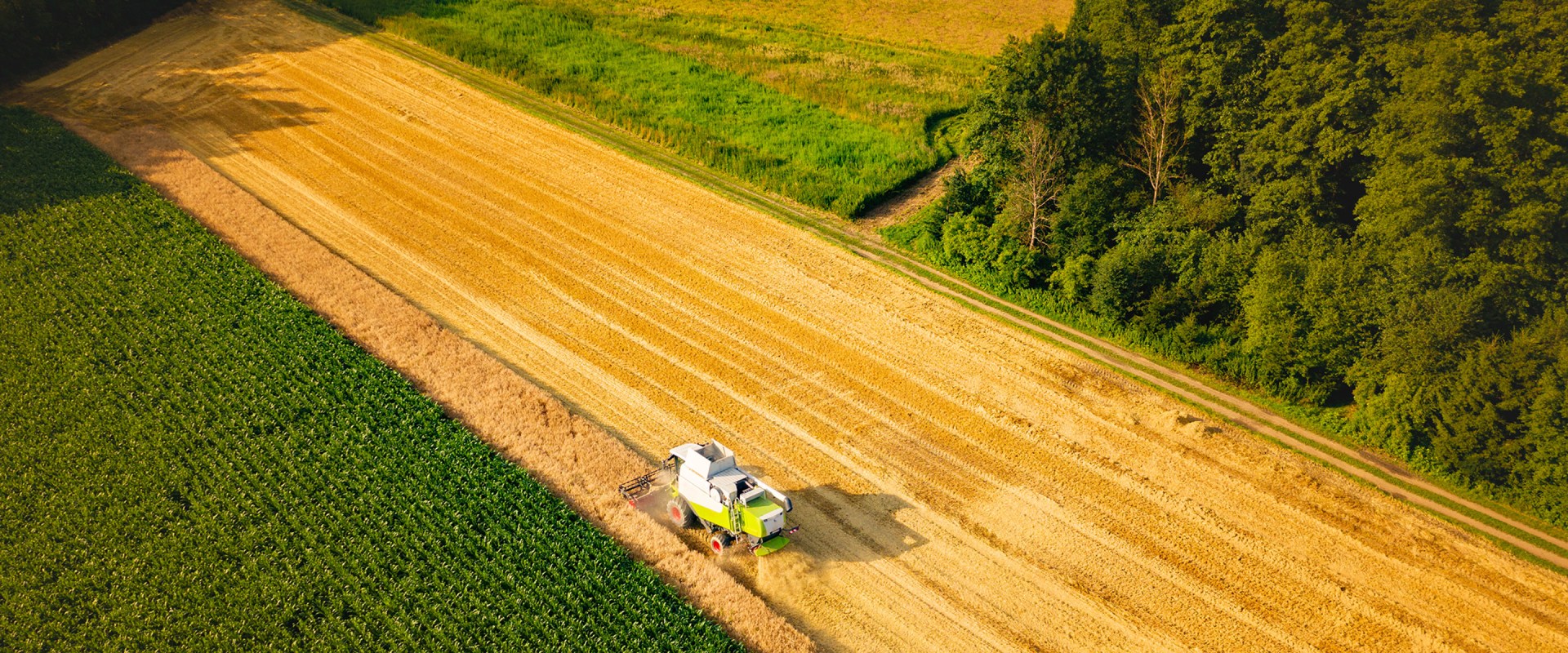
Sustainable agriculture is a holistic approach to farming that seeks to balance the need for food production with the preservation of environmental health, economic viability, and social equity. At its core, sustainable farming encompasses practices that are environmentally sound, socially responsible, and economically feasible. This multifaceted concept is not merely about growing crops or raising livestock; it involves a comprehensive understanding of how agricultural practices impact the ecosystem, local communities, and the economy as a whole.The definition of sustainable agriculture extends beyond the immediate benefits of farming. It emphasizes long-term strategies that ensure the land remains productive for future generations.
This includes methods such as crop rotation, organic farming, agroforestry, and integrated pest management. By adopting these practices, farmers can enhance soil health, conserve water, and reduce reliance on chemical inputs, all while maintaining or even increasing their yields.In today's world, where climate change and environmental degradation pose significant threats to food security, the importance of sustainable agriculture cannot be overstated. As populations grow and urbanization expands, the demand for food continues to rise. Sustainable farming offers a pathway to meet this demand without compromising the planet's health.
It fosters resilience in food systems by promoting biodiversity and reducing vulnerability to climate-related shocks.Moreover, sustainable agriculture plays a crucial role in social equity by supporting local economies and empowering communities. By prioritizing local food systems and fair labor practices, it ensures that the benefits of agriculture are shared more equitably among all stakeholders. In essence, understanding sustainable agriculture is vital for anyone interested in the future of our food systems and the well-being of our planet.
The Principles of Sustainable Farming
Sustainable farming is built upon a foundation of core principles that guide its practices and philosophies. These principles are essential for creating a resilient agricultural system that not only meets the needs of the present but also safeguards resources for future generations.The three primary pillars of sustainable agriculture are environmental stewardship, economic viability, and social responsibility.
Environmental Stewardship
- Soil Health: Maintaining soil health is crucial for sustainable farming. Practices such as crop rotation, cover cropping, and reduced tillage help to enhance soil structure, fertility, and biodiversity.
- Water Conservation: Efficient water management techniques, including drip irrigation and rainwater harvesting, minimize water waste and ensure that crops receive adequate moisture without depleting local water sources.
- Biodiversity: Promoting biodiversity through polyculture and agroforestry not only supports ecosystem health but also increases resilience against pests and diseases.
Economic Viability
- Profitability: Sustainable farming practices aim to be economically viable by reducing input costs through organic methods and enhancing market access for sustainably produced goods.
- Long-term Planning: Farmers are encouraged to adopt long-term strategies that consider the economic impacts of their practices on both their operations and the broader community.
- Local Economies: Supporting local markets and food systems strengthens community ties and fosters economic resilience.
Social Responsibility
- Fair Labor Practices: Sustainable farming emphasizes fair wages and safe working conditions for all agricultural workers, recognizing their vital role in the food system.
- Community Engagement: Engaging with local communities to understand their needs and values ensures that sustainable practices align with social expectations and cultural contexts.
- Education and Advocacy: Promoting awareness about sustainable practices among consumers and policymakers is essential for fostering a supportive environment for sustainable agriculture.
Environmental Benefits of Sustainable Agriculture
Sustainable agriculture plays a crucial role in enhancing the health of our environment. By adopting eco-friendly farming practices, we can significantly reduce the negative impacts of traditional agricultural methods, which often lead to soil degradation, loss of biodiversity, and water scarcity.One of the primary environmental benefits of sustainable farming is its positive effect on soil health.Conventional farming techniques frequently rely on chemical fertilizers and pesticides that can deplete soil nutrients and harm beneficial microorganisms. In contrast, sustainable practices such as crop rotation, cover cropping, and organic amendments help to maintain and even improve soil fertility. These methods promote a rich ecosystem within the soil, enhancing its structure and increasing its ability to retain moisture.Moreover, sustainable agriculture fosters biodiversity , which is essential for resilient ecosystems. By encouraging a variety of crops and integrating livestock into farming systems, farmers can create habitats for various species.
This diversity not only supports wildlife but also helps control pests naturally, reducing the need for chemical interventions. For instance, planting native plants alongside crops can attract beneficial insects that pollinate plants and keep pest populations in check.Water conservation is another significant advantage of sustainable farming practices. Traditional agriculture often leads to excessive water use and pollution from runoff containing fertilizers and pesticides. Sustainable methods such as drip irrigation, rainwater harvesting, and the establishment of buffer zones around water bodies can minimize water waste and protect aquatic ecosystems.
These practices ensure that water resources are used efficiently while maintaining clean waterways.In summary, the environmental benefits of sustainable agriculture are profound. By improving soil health, promoting biodiversity, and conserving water resources, sustainable farming not only addresses immediate agricultural challenges but also contributes to long-term ecological stability. As we face pressing environmental issues such as climate change and habitat loss, embracing sustainable agricultural practices becomes increasingly vital for the health of our planet.
Economic Advantages of Sustainable Farming
The transition to sustainable farming practices not only addresses environmental concerns but also presents significant economic advantages for farmers and the broader agricultural sector. By adopting these practices, farmers can enhance their profitability while contributing to a more resilient food system.One of the primary economic benefits of sustainable agriculture is the growing market demand for organic and sustainably produced products.Consumers are increasingly aware of the environmental and health implications of their food choices, leading to a surge in demand for organic produce. According to recent studies, the organic food market has been experiencing double-digit growth annually, indicating a robust opportunity for farmers who choose to invest in sustainable practices.Moreover, sustainable farming often leads to reduced input costs over time. Traditional farming methods frequently rely on synthetic fertilizers and pesticides, which can be expensive and harmful to the environment. In contrast, sustainable practices such as crop rotation, cover cropping, and integrated pest management can lower these costs by enhancing soil health and reducing dependency on chemical inputs.
This not only improves the farm's bottom line but also promotes long-term soil fertility.Another critical aspect of financial sustainability in agriculture is the resilience that comes from diversifying crops and income sources. Sustainable farms often implement polyculture systems, which involve growing multiple crops simultaneously. This approach not only mitigates risks associated with market fluctuations but also enhances biodiversity, leading to healthier ecosystems that can withstand climate challenges.Furthermore, sustainable farming practices can open up access to various funding opportunities and incentives. Many governments and organizations offer grants, subsidies, or low-interest loans for farmers who adopt environmentally friendly practices.
These financial incentives can significantly offset initial investments in sustainable technologies or infrastructure.In conclusion, the economic advantages of sustainable farming are multifaceted. From tapping into lucrative markets for organic products to reducing operational costs and enhancing resilience through diversification, sustainable agriculture presents a compelling case for farmers looking to secure their financial future while contributing positively to the environment.
Social Impacts and Community Benefits
The social implications of sustainable agriculture extend far beyond environmental benefits; they encompass vital aspects of community engagement, food security, and the overall improvement of farmers' livelihoods. By prioritizing sustainable farming practices, communities can foster a more resilient and equitable food system.Community Engagement
Sustainable agriculture encourages active participation from local communities. Farmers who adopt these practices often engage with their neighbors and local organizations to share knowledge and resources.
This collaboration can lead to:
- Strengthened Local Economies: By sourcing food locally, communities can keep money circulating within their economies, supporting local businesses and creating jobs.
- Enhanced Food Sovereignty: Communities gain more control over their food systems, allowing them to prioritize local needs and preferences.
- Increased Awareness: Educational initiatives surrounding sustainable practices can raise awareness about nutrition, health, and environmental stewardship.
Food Security
One of the most pressing social issues today is food security. Sustainable agriculture plays a crucial role in addressing this challenge by:
- Diverse Crop Production: By promoting crop diversity through methods like crop rotation and intercropping, sustainable farming reduces dependency on single crops, which can be vulnerable to pests and climate change.
- Resilience to Climate Change: Sustainable practices enhance soil health and biodiversity, making agricultural systems more resilient to extreme weather events.
- Access to Nutritious Food: Localized food systems often provide fresher and more nutritious options compared to industrially produced foods.
Improved Livelihoods for Farmers
The shift towards sustainable agriculture not only benefits the environment but also significantly improves the livelihoods of farmers. Key benefits include:
- Higher Profit Margins: Sustainable practices can lead to reduced input costs (like fertilizers and pesticides) while increasing yields through healthier ecosystems.
- Market Opportunities: There is a growing demand for organic and sustainably produced goods, allowing farmers to tap into premium markets.
- Empowerment through Education: Training programs in sustainable practices equip farmers with the skills needed to adapt to changing conditions and market demands.
As we continue to advocate for these practices, it is essential to recognize their potential in creating a more just and sustainable world.
Challenges Facing Sustainable Agriculture
While the concept of sustainable farming is gaining traction, several challenges hinder its widespread adoption. Understanding these barriers is crucial for developing effective strategies to promote sustainable agricultural practices.1.Economic Constraints
- Many farmers face financial limitations that make it difficult to transition to sustainable methods. Initial investments in organic seeds, eco-friendly fertilizers, and advanced irrigation systems can be substantial.
- Additionally, the market for sustainably produced goods is still developing, which can lead to lower prices for farmers who adopt these practices compared to conventional farming.
2.Knowledge Gaps
- A significant barrier to implementing sustainable agriculture is the lack of knowledge and training among farmers. Many are unaware of the benefits of sustainable practices or how to effectively implement them.
- Extension services and educational programs are often underfunded, limiting access to vital information on sustainable techniques.
3.Policy and Regulatory Challenges
- Government policies often favor conventional farming methods due to established subsidies and support systems.
This creates an uneven playing field that discourages farmers from adopting sustainable practices.
- Moreover, regulatory frameworks may not adequately support innovative sustainable practices, making it difficult for farmers to navigate compliance while transitioning.
4.Climate Change and Environmental Factors
- Climate change poses a significant threat to sustainable agriculture by altering weather patterns, affecting crop yields, and increasing the prevalence of pests and diseases.
- Farmers may struggle to adapt their practices in response to these changes, leading to a reliance on unsustainable methods as a short-term solution.
5.Social and Cultural Barriers
- Cultural attitudes towards traditional farming methods can also impede the adoption of sustainable practices. In some communities, there may be resistance to change due to a strong attachment to conventional techniques passed down through generations.
- Building trust and demonstrating the long-term benefits of sustainable farming are essential for overcoming these social barriers.
Innovative Practices in Sustainable Agriculture
As the global population continues to grow, the demand for food increases, necessitating innovative approaches in sustainable farming. Farmers and researchers are increasingly turning to cutting-edge technologies and practices that not only enhance productivity but also minimize environmental impact.Here are some of the most promising innovations in sustainable agriculture:
- Precision Agriculture: This approach utilizes advanced technologies such as GPS, IoT sensors, and drones to monitor crop health and soil conditions. By collecting real-time data, farmers can make informed decisions about irrigation, fertilization, and pest control, leading to more efficient resource use and reduced waste.
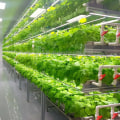
- Vertical Farming: In urban areas where space is limited, vertical farming offers a solution by growing crops in stacked layers. This method uses controlled environments to optimize growth conditions, significantly reducing the need for pesticides and water while maximizing yield per square foot.
- Agroecology: This holistic approach integrates ecological principles into agricultural practices. By promoting biodiversity, agroecology enhances soil health and resilience against pests and diseases.
Techniques such as intercropping and cover cropping are key components of this practice.
- Biotechnology: Advances in genetic engineering have led to the development of crops that are more resistant to pests, diseases, and environmental stresses. These genetically modified organisms (GMOs) can reduce the need for chemical inputs while increasing yields.
- Regenerative Agriculture: This practice focuses on restoring soil health through techniques like no-till farming, crop rotation, and composting. By enhancing soil organic matter, regenerative agriculture not only sequesters carbon but also improves water retention and nutrient cycling.
As we continue to explore new technologies in agriculture, it is essential to prioritize sustainability at every level of food production.
Policy and Support for Sustainable Agriculture
Government policies play a crucial role in shaping the landscape of sustainable farming. These policies not only provide a framework for agricultural practices but also influence the economic viability of sustainable initiatives. To effectively promote sustainable agriculture, it is essential for policymakers to understand the multifaceted benefits that these practices offer, including environmental protection, economic resilience, and social equity.One of the primary ways governments can support sustainable agriculture is through financial incentives. Programs that offer grants, subsidies, or tax breaks for farmers who adopt sustainable practices can significantly lower the barriers to entry.For instance, initiatives like the Environmental Quality Incentives Program (EQIP) in the United States provide funding for farmers to implement conservation practices that enhance soil health and water quality.Moreover, agricultural policy changes are necessary to align with sustainability goals. This includes revising existing policies that may inadvertently favor conventional farming methods over sustainable ones. For example, policies that prioritize monoculture crops can be re-evaluated to encourage crop diversity and rotation, which are essential for maintaining soil fertility and reducing pest outbreaks.In addition to financial support, education and training programs are vital. Governments should invest in educational initiatives that inform farmers about sustainable practices and technologies.
Workshops, online courses, and community outreach can empower farmers with the knowledge they need to transition to more sustainable methods.Furthermore, collaboration between government agencies, research institutions, and agricultural organizations can foster innovation in sustainable farming. By creating partnerships that focus on research and development, governments can help identify best practices and disseminate this information to farmers across various regions.Finally, it is essential for policymakers to engage with local communities and stakeholders when developing agricultural policies. This participatory approach ensures that the needs and challenges of farmers are considered, leading to more effective and tailored solutions for promoting sustainable agriculture.In conclusion, government policies and support systems are integral to advancing sustainable agriculture. By providing financial incentives, revising existing policies, investing in education, fostering collaboration, and engaging with communities, governments can create an environment where sustainable farming thrives.
Case Studies: Successful Sustainable Farming Initiatives
Across the globe, numerous sustainable farming initiatives have emerged, demonstrating the viability and effectiveness of environmentally friendly agricultural practices.These case studies not only highlight successful implementations but also serve as a source of inspiration for farmers and policymakers alike.
1.The Rodale Institute: Organic Farming Research
Located in Pennsylvania, the Rodale Institute has been at the forefront of organic farming research since 1947. Their long-term studies compare organic and conventional farming methods, revealing that organic practices can yield comparable or even higher outputs while enhancing soil health and biodiversity. The institute's findings advocate for sustainable agriculture as a means to combat climate change and promote food security.2.The Savory Institute: Holistic Management
The Savory Institute, founded by Allan Savory, focuses on holistic management practices that restore grasslands and improve livestock production. Their case studies from various regions, including Africa and North America, demonstrate how rotational grazing can reverse desertification, increase carbon sequestration, and enhance water retention in soils. This approach not only benefits the environment but also improves the livelihoods of local farmers.3.Agroforestry in Brazil
In Brazil, agroforestry systems have gained traction as a sustainable alternative to traditional monoculture practices.Farmers integrate trees with crops and livestock, creating diverse ecosystems that enhance productivity while preserving biodiversity. Case studies from the Amazon region show that these systems can reduce deforestation rates and improve soil fertility, leading to more resilient agricultural landscapes.
4.Community Supported Agriculture (CSA) in the United States
Community Supported Agriculture (CSA) programs have become increasingly popular in the U. S., connecting consumers directly with local farmers. These initiatives allow consumers to purchase shares of a farm's harvest in advance, providing farmers with upfront capital while ensuring fresh produce for communities.Successful CSAs demonstrate how sustainable farming practices can thrive through community engagement and support.
5.The International Rice Research Institute (IRRI)
The IRRI has developed sustainable rice production systems that address food security challenges in Asia. Their research focuses on improving rice varieties that require less water and are resistant to pests and diseases. By promoting integrated pest management and resource-efficient practices, IRRI's initiatives exemplify how sustainable farming can enhance productivity while minimizing environmental impact.These case studies illustrate that sustainable agriculture is not just a theoretical concept but a practical reality with proven benefits. By learning from these successful examples, farmers worldwide can adopt innovative practices that contribute to a healthier planet and a more sustainable food system.<strong>Conclusion</strong>
In conclusion, the significance of sustainable agriculture cannot be overstated.As we have explored throughout this article, sustainable farming practices are essential not only for the health of our planet but also for the well-being of future generations. The integration of environmentally sound methods, social responsibility, and economic viability creates a holistic approach to food production that addresses pressing global challenges.One of the key takeaways from an expert perspective is that sustainable agriculture offers a pathway to mitigate climate change, enhance biodiversity, and improve soil health. By adopting practices such as crop rotation, agroforestry, and permaculture, farmers can increase resilience against environmental stressors while simultaneously boosting productivity. This dual benefit is crucial in a world where food security is increasingly threatened by climate variability and population growth.Moreover, sustainable farming fosters community engagement and social equity.
It empowers local farmers and consumers to participate in a food system that prioritizes health and sustainability over mere profit. This shift not only supports local economies but also encourages a more informed consumer base that values transparency and ethical sourcing.Looking towards the future, the potential for sustainable agriculture is vast. As technology continues to evolve, innovative solutions such as precision farming and organic pest management will play a pivotal role in enhancing sustainability. Policymakers must recognize the importance of supporting these initiatives through funding, education, and infrastructure development.Ultimately, embracing sustainable agricultural practices is not just an option; it is a necessity for ensuring a resilient food system that can withstand the challenges of tomorrow.
By prioritizing sustainability in our agricultural practices, we can create a healthier planet and a more equitable society for all.