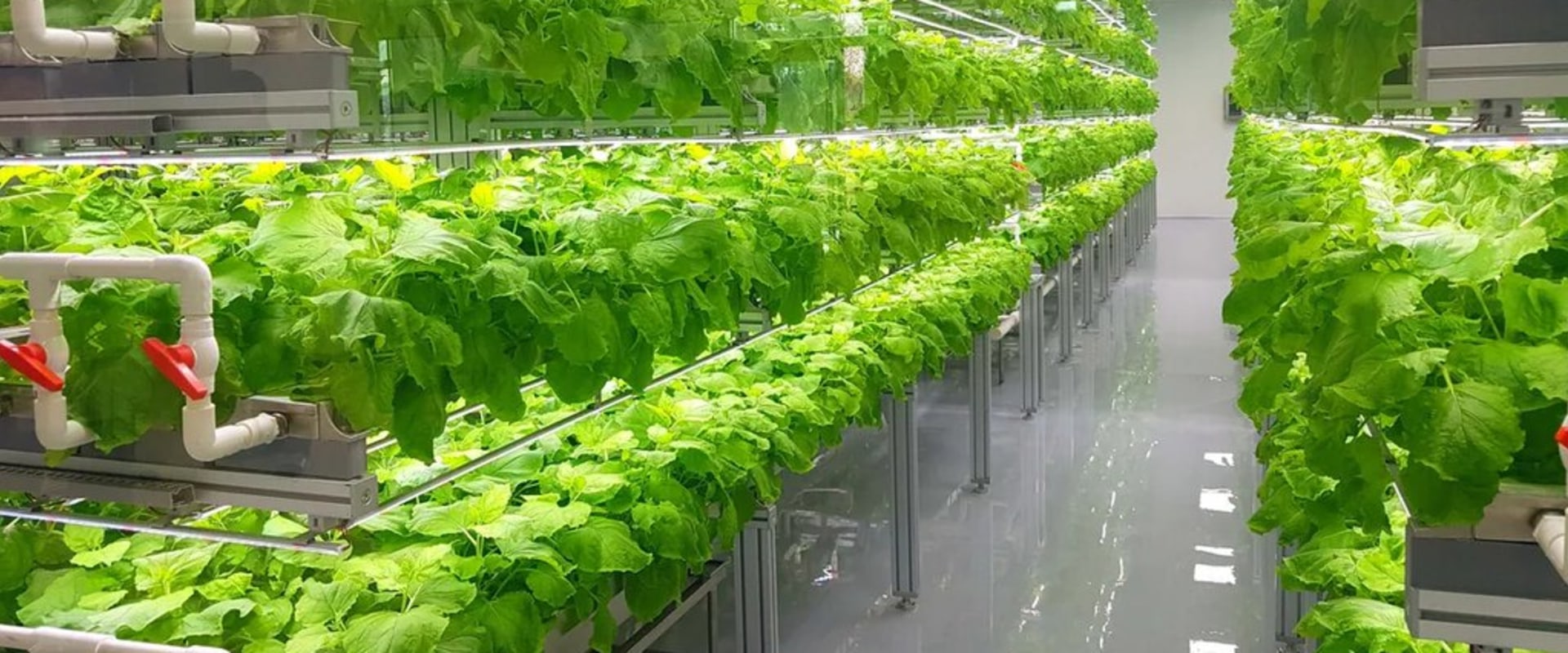
In an era where environmental concerns are at the forefront of global discussions, sustainable farming has emerged as a critical approach to agriculture. This method prioritizes the health of our planet while ensuring that food production meets the needs of the present without compromising the ability of future generations to meet their own needs. Sustainable farming encompasses a variety of practices that aim to minimize environmental impact, enhance biodiversity, and promote soil health. As we delve deeper into this topic, it becomes evident that organic agriculture stands out as a leading example of sustainable farming.At its core, sustainable farming is about creating a balance between agricultural productivity and ecological integrity.
It seeks to reduce reliance on synthetic inputs such as fertilizers and pesticides, which can lead to soil degradation, water pollution, and loss of biodiversity. Instead, sustainable practices emphasize natural methods that work in harmony with the environment. This includes crop rotation, cover cropping, and the use of organic fertilizers like compost and manure. By adopting these techniques, farmers can improve soil fertility and structure while also enhancing the resilience of their crops against pests and diseases.Moreover, sustainable farming is not just beneficial for the environment; it also supports local economies and communities.
By focusing on local food systems and reducing transportation emissions associated with long-distance food distribution, sustainable practices contribute to a more resilient food network. As consumers become increasingly aware of the environmental impact of their food choices, there is a growing demand for products that are produced sustainably. This shift in consumer behavior is driving farmers to adopt organic methods that align with sustainable principles.As we explore the various dimensions of organic agriculture within the framework of sustainable farming, it is essential to recognize its potential to address some of the most pressing challenges facing our planet today. From combating climate change to preserving natural resources, organic agriculture offers a viable solution that not only benefits farmers but also contributes positively to our environment.
The Principles of Organic Agriculture
Organic agriculture is built upon a set of core principles that prioritize sustainability and environmental stewardship.These principles not only guide farming practices but also contribute to the overall health of ecosystems. Understanding these foundational elements is essential for anyone interested in sustainable farming.
Biodiversity
is a cornerstone of organic farming. By fostering a diverse range of plants and animals, organic farms create resilient ecosystems that can better withstand pests, diseases, and climate fluctuations. This diversity is achieved through practices such as crop rotation, intercropping, and the use of cover crops.
For instance, rotating different crops each season helps to break pest cycles and improve soil fertility, while intercropping can enhance pollination and reduce weed pressure.Another fundamental principle is soil health. Organic farmers focus on building and maintaining healthy soils through natural amendments like compost, manure, and green manures. These practices not only enrich the soil with nutrients but also enhance its structure and water retention capabilities. Healthy soils are vital for sustainable farming as they support robust plant growth and reduce the need for synthetic fertilizers.
Natural pest management
is also a key aspect of organic agriculture.
Instead of relying on chemical pesticides, organic farmers employ a variety of eco-friendly methods to control pests. This includes introducing beneficial insects, such as ladybugs and lacewings, which prey on harmful pests. Additionally, organic farmers may use physical barriers like row covers or traps to protect their crops. These methods not only minimize harm to the environment but also promote a balanced ecosystem.Furthermore, organic agriculture emphasizes the importance of sustainable practices.
This includes minimizing soil disturbance through reduced tillage methods, which helps preserve soil structure and prevent erosion. Organic farmers also prioritize water conservation techniques, such as drip irrigation and rainwater harvesting, to ensure efficient use of this precious resource.In summary, the principles of organic agriculture—biodiversity, soil health, natural pest management, and sustainable practices—form the foundation for eco-friendly farming methods. By adhering to these principles, organic farmers contribute to a healthier planet while producing food that is safe for consumers and the environment alike.
Biodiversity and Ecosystem Health
Organic farming plays a crucial role in promoting biodiversity and enhancing ecosystem health, setting it apart from conventional agricultural practices. By prioritizing natural processes and minimizing synthetic inputs, organic methods foster a diverse array of plant and animal life, which is essential for a balanced ecosystem.One of the primary ways organic farming enhances biodiversity is through the use of crop rotation and polyculture.These practices involve growing multiple types of crops in the same area, which not only reduces the risk of pest outbreaks but also creates habitats for various organisms. For instance, planting legumes alongside grains can improve soil fertility while attracting beneficial insects that help control pests naturally.In contrast, conventional farming often relies on monocultures—growing a single crop over large areas—which can lead to a decline in biodiversity. Monocultures make ecosystems more vulnerable to pests and diseases, necessitating the use of chemical pesticides that can harm non-target species and disrupt ecological balance.Moreover, organic farms typically incorporate natural habitats such as hedgerows, wildflower strips, and cover crops. These features provide shelter and food for wildlife, including pollinators like bees and butterflies, which are vital for crop production.
The presence of diverse flora and fauna on organic farms contributes to healthier ecosystems by promoting nutrient cycling and improving soil structure.Another significant benefit of organic farming is its positive impact on soil health. Healthy soils are teeming with microorganisms that play a critical role in nutrient availability and plant growth. Organic practices such as composting and reduced tillage help maintain soil structure and enhance microbial diversity, leading to improved resilience against erosion and climate change.Furthermore, organic farming reduces the risk of chemical runoff into nearby water bodies, which can lead to eutrophication—a process that depletes oxygen in water and harms aquatic life. By avoiding synthetic fertilizers and pesticides, organic farmers contribute to cleaner waterways and healthier aquatic ecosystems.In summary, the commitment to fostering biodiversity through organic farming not only benefits individual farms but also supports broader ecosystem health.
By enhancing biodiversity, organic agriculture creates resilient systems capable of withstanding environmental stresses while providing essential services that benefit both agriculture and the planet.
Soil Health and Fertility Management
Soil health is a cornerstone of sustainable farming, and organic agriculture places a strong emphasis on maintaining and enhancing the vitality of the soil. Healthy soil is not just a medium for plant growth; it is a living ecosystem that supports a diverse array of organisms, from microorganisms to larger fauna, all of which contribute to nutrient cycling and soil structure.One of the primary techniques used in organic farming to improve soil health is composting. Composting involves the decomposition of organic matter, such as kitchen scraps, yard waste, and agricultural residues, into a nutrient-rich amendment. This process not only recycles waste but also enhances soil fertility by adding essential nutrients and improving soil structure.The application of compost increases the organic matter content in the soil, which helps retain moisture, improves aeration, and promotes beneficial microbial activity.Another vital practice in organic soil management is crop rotation. This technique involves alternating the types of crops grown in a particular area across different seasons or years. Crop rotation helps prevent the depletion of specific nutrients in the soil and reduces the risk of pest and disease buildup. For instance, planting legumes, which fix nitrogen in the soil, can replenish nutrients that are consumed by other crops.
This not only enhances soil fertility but also contributes to a more balanced ecosystem.Additionally, organic farmers often employ cover cropping , where specific plants are grown primarily to cover the soil rather than for harvest. Cover crops such as clover or rye can prevent erosion, suppress weeds, and enhance soil structure. When these plants are tilled back into the soil, they decompose and add organic matter, further enriching the soil.Moreover, sustainable fertility practices in organic farming include the use of natural fertilizers like manure or fish emulsion. These inputs provide essential nutrients without the harmful side effects associated with synthetic fertilizers.
By focusing on natural amendments, organic farmers can maintain a healthy balance in their soils while minimizing environmental impact.In conclusion, effective organic soil management through composting, crop rotation, cover cropping, and natural fertilizers is essential for promoting long-term soil health and fertility. These practices not only enhance agricultural productivity but also contribute significantly to environmental sustainability by fostering resilient ecosystems that can withstand climate variability.
Water Conservation and Management
Water is one of the most critical resources for agriculture, and its conservation is essential for sustainable farming practices. Organic agriculture employs various methods that not only enhance water management but also contribute to the overall health of the ecosystem.One of the primary ways organic farming promotes water conservation is through the enhancement of soil structure. Healthy soils, rich in organic matter, have a greater capacity to retain moisture.This is achieved through practices such as:
- Composting: Adding compost to the soil improves its texture and increases its ability to hold water.
- Cover cropping: Growing cover crops during off-seasons prevents soil erosion and helps maintain moisture levels.
- Crop rotation: Rotating different crops can improve soil health and reduce water runoff.
This practice not only conserves water but also helps mitigate the effects of droughts, which are becoming increasingly common due to climate change.Furthermore, organic farming practices encourage biodiversity, which plays a vital role in maintaining healthy watersheds. Diverse plant life can help filter pollutants from runoff before they reach water sources, thus protecting local ecosystems and ensuring cleaner water supplies.In conclusion, the integration of organic farming practices significantly enhances water conservation and management. By improving soil health, utilizing efficient irrigation methods, and promoting biodiversity, organic agriculture stands as a sustainable solution to the pressing issue of water scarcity in our world today.
Climate Change Mitigation through Organic Practices
As the world grapples with the escalating impacts of climate change, the role of agriculture in this crisis cannot be overlooked. Traditional farming practices often contribute significantly to greenhouse gas emissions, primarily through the use of synthetic fertilizers and fossil fuels.In contrast, organic agriculture offers a pathway to mitigate these effects through various sustainable practices that enhance carbon sequestration and reduce emissions.One of the most compelling benefits of organic farming is its ability to sequester carbon in the soil. This process involves capturing atmospheric carbon dioxide and storing it in the form of organic matter within the soil. Organic farmers achieve this through practices such as:
- Cover cropping: Planting cover crops during off-seasons helps to protect and enrich the soil, preventing erosion while also adding organic matter that enhances carbon storage.
- Crop rotation: By rotating different crops, organic farmers can improve soil health and biodiversity, which in turn promotes greater carbon sequestration.
- Composting: Utilizing compost not only enriches the soil but also increases its capacity to store carbon, as decomposed organic materials contribute to soil structure and fertility.
Studies have shown that organic farms can emit up to 30% less greenhouse gases than their conventional counterparts.Additionally, organic agriculture promotes biodiversity, which is crucial for ecosystem resilience. Healthy ecosystems are better equipped to adapt to climate changes and can sequester more carbon. The diverse plant life found in organic systems supports a variety of organisms that contribute to nutrient cycling and soil health.In conclusion, organic agriculture stands out as a viable solution for addressing climate change through effective carbon sequestration and reduced greenhouse gas emissions. By adopting these sustainable practices, we not only enhance soil health but also contribute to a more resilient agricultural system capable of withstanding the challenges posed by a changing climate.
Economic Viability of Organic Farming
The economic viability of organic farming is increasingly becoming a focal point for both farmers and consumers.As the demand for organic products continues to rise, understanding the financial implications of adopting organic practices is essential for sustainable farming.One of the most significant economic benefits of organic farming is the premium prices that organic products can command in the market. According to recent studies, organic produce can sell for 20% to 100% more than conventional counterparts, depending on the product and market conditions. This price differential can significantly enhance the profitability of organic farms, making them more financially sustainable in the long run.Moreover, the market trends indicate a robust growth trajectory for organic products. The Organic Trade Association reported that U.
S. organic sales reached over $61 billion in 2020, marking a 12.4% increase from the previous year. This trend is expected to continue as consumers become more health-conscious and environmentally aware, driving demand for organic options.Consumer demand for organic products is not just a passing trend; it reflects a fundamental shift in purchasing behavior. A growing number of consumers are prioritizing sustainability and health in their buying decisions, often willing to pay a premium for products that align with these values.
This shift is particularly evident among younger generations, who are more likely to seek out organic options and support brands that practice sustainable farming.Additionally, organic farming can lead to reduced input costs over time. While initial investments in organic practices may be higher due to certification processes and transitioning from conventional methods, many farmers find that they can lower their reliance on expensive synthetic fertilizers and pesticides. Instead, they utilize natural inputs such as compost and cover crops, which can enhance soil health and reduce long-term costs.Furthermore, government incentives and grants aimed at promoting sustainable agriculture can provide financial support for farmers transitioning to organic practices. Programs offered by the USDA and various state agencies often help offset the costs associated with certification and implementation of organic methods.In conclusion, the economic viability of organic farming is supported by strong market trends and increasing consumer demand.
By capitalizing on premium pricing, reducing input costs, and leveraging government support, farmers can create a financially sustainable model that not only benefits their livelihoods but also contributes positively to environmental health.
Challenges Facing Organic Agriculture
While organic agriculture presents numerous benefits for the environment and human health, it is not without its challenges. Understanding these obstacles is essential for developing effective strategies to promote sustainable farming practices. Below are some of the primary challenges facing organic farmers today:- Higher Production Costs: Organic farming often requires more labor-intensive practices and the use of organic inputs, which can lead to higher production costs compared to conventional farming. This financial burden can deter new farmers from transitioning to organic methods.
- Pest and Disease Management: Organic farmers face unique challenges in managing pests and diseases without synthetic pesticides.
While natural alternatives exist, they may not be as effective or may require more frequent applications, complicating crop management.
- Soil Fertility Maintenance: Maintaining soil fertility in organic systems can be challenging, especially in the absence of synthetic fertilizers. Farmers must rely on crop rotation, cover crops, and composting, which require knowledge and careful planning.
- Market Access: Organic products often face barriers to market access due to stringent certification processes and competition from conventional products. Farmers may struggle to find reliable markets that offer fair prices for their organic produce.
- Climate Change Impacts: Organic farmers are not immune to the effects of climate change. Extreme weather events, such as droughts or floods, can significantly impact yields and soil health, making it crucial for farmers to adapt their practices accordingly.
- Education and Training: Providing resources and training programs for organic farmers can enhance their knowledge of sustainable practices, pest management, and soil health.
This education can empower them to make informed decisions that improve productivity.
- Financial Support: Government grants and subsidies specifically aimed at supporting organic farming can alleviate some of the financial burdens associated with transitioning to or maintaining organic practices.
- Research and Innovation: Investing in research focused on organic farming techniques can lead to the development of new tools and methods that enhance productivity while maintaining environmental integrity.
- Community Support: Building networks among organic farmers can foster collaboration, allowing them to share resources, knowledge, and market opportunities. Community-supported agriculture (CSA) models can also help connect consumers directly with local organic producers.
Consumer Awareness and Support for Organic Practices
In recent years, there has been a significant shift in consumer attitudes towards food production, particularly regarding the benefits of organic farming. As awareness of environmental issues and health concerns grows, consumers are increasingly seeking out organic products.This trend is not merely a passing fad; it reflects a deeper understanding of how sustainable farming practices can positively impact both personal health and the environment.One of the primary drivers of this change is the rise of awareness campaigns that educate consumers about the advantages of organic agriculture. These campaigns often highlight the detrimental effects of conventional farming methods, such as pesticide use and soil degradation, while showcasing the benefits of organic practices, including biodiversity, soil health, and reduced chemical exposure. Organizations dedicated to promoting organic farming have utilized various platforms—social media, documentaries, and community events—to spread their message effectively.Moreover, consumer support for organic practices is not just about personal preference; it also plays a crucial role in shaping agricultural policies and market trends. When consumers choose organic products, they send a clear signal to farmers and retailers that there is a demand for sustainable options.
This demand encourages more farmers to adopt organic methods, thereby increasing the availability of organic produce in local markets.Additionally, choosing organic products can lead to numerous benefits for consumers:
- Healthier Choices: Organic foods are often free from synthetic pesticides and fertilizers, making them a safer choice for families concerned about chemical exposure.
- Environmental Impact: By supporting organic farming, consumers contribute to practices that promote soil health, reduce pollution, and enhance biodiversity.
- Support for Local Economies: Many organic farms are small-scale operations that rely on local markets. Purchasing organic products often means supporting local farmers and economies.
Conclusion: The Future of Sustainable Agriculture
As we look towards the future of agriculture, it is imperative to recognize the profound impact that sustainable farming practices, particularly organic agriculture, can have on our environment.The evidence presented throughout this article underscores the necessity of adopting methods that prioritize ecological balance, biodiversity, and soil health.Organic agriculture stands out as a beacon of hope in a world increasingly challenged by climate change, resource depletion, and environmental degradation. By eschewing synthetic fertilizers and pesticides, organic farmers not only protect the integrity of their soil but also contribute to the overall health of our ecosystems. This commitment to natural processes fosters a resilient agricultural system capable of withstanding the pressures of a changing climate.Moreover, the emphasis on biodiversity within organic farming practices enhances ecosystem stability. By cultivating a variety of crops and employing natural pest control methods, organic farmers create habitats that support a wide range of species.
This biodiversity is crucial for maintaining ecological balance and ensuring food security in the face of global challenges.In addition to environmental benefits, organic agriculture also promotes social sustainability. It encourages local economies by supporting small-scale farmers and reducing reliance on industrial agricultural systems that often exploit labor and resources. Consumers play a vital role in this transition; by choosing organic products, they not only invest in their health but also advocate for sustainable practices that benefit future generations.In conclusion, the path forward for sustainable agriculture lies in embracing organic methods that respect our planet's limits while enhancing its capacity to provide for us. As we move into an era where sustainability is no longer optional but essential, it is clear that organic agriculture offers a viable solution for nurturing both our environment and our communities.
The choice is ours: to support a sustainable future through informed decisions about the food we consume and the farming practices we endorse.