Sustainable agriculture represents a transformative approach to farming that prioritizes the health of our planet while ensuring food security for future generations. At its core, sustainable farming is defined as agricultural practices that are environmentally friendly, economically viable, and socially responsible. This holistic method seeks to balance the immediate needs of food production with the long-term preservation of natural resources, thereby addressing pressing environmental challenges such as climate change, soil degradation, and biodiversity loss.The principles of sustainable agriculture encompass a variety of practices aimed at enhancing the resilience of agricultural systems. These include crop rotation, which helps maintain soil fertility; integrated pest management, which minimizes the use of harmful chemicals; and agroecology, which promotes biodiversity by integrating various farming practices.
By adopting these methods, farmers can not only improve their yields but also contribute to the overall health of ecosystems.Understanding the importance of sustainable agriculture is crucial in today’s context. With the global population projected to reach nearly 10 billion by 2050, the demand for food will increase dramatically. Sustainable farming offers a pathway to meet this demand without compromising the environment. It encourages practices that reduce carbon footprints, conserve water, and protect wildlife habitats.
Moreover, it fosters social equity by supporting local communities and promoting fair labor practices.In summary, sustainable agriculture is not merely a trend; it is a necessity for ensuring a viable future for our planet. By embracing sustainable farming practices, we can create a resilient food system that nourishes both people and the environment.
The Principles of Sustainable Farming
At the heart of sustainable farming lies a set of core principles that guide farmers in their quest to produce food in a manner that is environmentally sound, socially responsible, and economically viable. Understanding these principles is crucial for anyone interested in the future of agriculture and its impact on our planet.Biodiversity
is one of the foundational concepts in sustainable agriculture. It refers to the variety of life forms within a given ecosystem, including different species of plants, animals, and microorganisms.
By promoting biodiversity on farms, such as through crop rotation and polyculture, farmers can enhance ecosystem resilience. This diversity helps to mitigate risks associated with pests and diseases, as well as improve soil health and fertility.Another key principle is soil health. Healthy soil is vital for sustainable farming as it supports plant growth and contributes to the overall productivity of the farm. Practices such as cover cropping, reduced tillage, and organic amendments can significantly improve soil structure and nutrient content.
Farmers are encouraged to monitor soil health regularly, using techniques like soil testing to ensure that their practices are enhancing rather than depleting this critical resource.
Resource conservation
is also a fundamental aspect of sustainable farming. This involves using natural resources—such as water, energy, and nutrients—efficiently and responsibly. Techniques like precision irrigation can help minimize water waste, while renewable energy sources like solar panels can reduce reliance on fossil fuels. Additionally, implementing integrated pest management (IPM) strategies allows farmers to control pests with minimal environmental impact by utilizing natural predators and organic solutions instead of chemical pesticides.Furthermore, social equity plays a significant role in sustainable agriculture.
This principle emphasizes fair labor practices and community engagement. By ensuring that farm workers are treated fairly and compensated justly, sustainable farming not only supports the livelihoods of those directly involved but also fosters stronger communities. Engaging local communities in decision-making processes can lead to more effective and inclusive agricultural practices.In summary, the principles of sustainable farming—biodiversity, soil health, resource conservation, and social equity—are interconnected elements that contribute to a holistic approach to agriculture. By adhering to these principles, farmers can create systems that not only meet current food production needs but also safeguard the environment for future generations.
Benefits of Sustainable Agriculture
Adopting sustainable agriculture practices brings a multitude of benefits that extend beyond the farm itself, positively impacting the environment, economy, and society as a whole.Understanding these advantages is essential for promoting the transition towards more sustainable farming methods.
Environmental Benefits
One of the most significant advantages of sustainable farming is its positive effect on the environment. By prioritizing practices that protect natural resources, sustainable agriculture helps to:- Enhance Soil Health: Sustainable farming techniques, such as crop rotation and cover cropping, improve soil structure and fertility. Healthy soil is crucial for growing nutritious crops and can sequester carbon, helping to mitigate climate change.
- Conserve Water: Efficient irrigation methods and rainwater harvesting reduce water usage, ensuring that this vital resource is preserved for future generations.
- Promote Biodiversity: By encouraging a variety of crops and livestock, sustainable agriculture fosters biodiversity, which is essential for ecosystem resilience and stability.
- Reduce Chemical Use: Sustainable practices minimize reliance on synthetic fertilizers and pesticides, leading to less chemical runoff into waterways and healthier ecosystems.
Economic Advantages
The economic benefits of sustainable agriculture are equally compelling. Farmers who adopt these practices often experience:- Lower Input Costs: By utilizing organic fertilizers and natural pest control methods, farmers can reduce their dependence on expensive chemical inputs.
- Increased Market Opportunities: As consumer demand for organic and sustainably produced food rises, farmers can tap into new markets that offer premium prices for their products.
- Long-term Viability: Sustainable practices enhance the resilience of farms against climate variability and market fluctuations, ensuring long-term profitability.
Social Impacts
Sustainable agriculture also has profound social implications.It promotes:
- Fair Labor Practices: Many sustainable farms prioritize fair wages and working conditions for their employees, contributing to stronger rural communities.
- Community Engagement: Sustainable farming often involves local food systems that strengthen community ties and support local economies.
- Nutritional Benefits: By focusing on diverse crops and organic practices, sustainable agriculture can lead to healthier food options for consumers.
Sustainable Farming Techniques and Practices
Sustainable farming encompasses a variety of techniques and practices designed to enhance agricultural productivity while minimizing environmental impact. These methods not only support the health of the ecosystem but also ensure food security for future generations. Below are some of the most effective sustainable farming techniques:- Crop Rotation: This practice involves alternating the types of crops grown in a particular area across seasons.
By rotating crops, farmers can improve soil health, reduce pest and disease cycles, and enhance biodiversity. For example, planting legumes after cereal crops can naturally replenish nitrogen in the soil, reducing the need for synthetic fertilizers.
- Agroforestry: Integrating trees and shrubs into agricultural landscapes is known as agroforestry. This method provides multiple benefits, including improved soil structure, enhanced biodiversity, and increased carbon sequestration. Farmers can grow fruit or nut trees alongside traditional crops, creating a more resilient farming system.
- Organic Farming: Organic farming emphasizes the use of natural inputs and processes to cultivate crops.
This includes avoiding synthetic pesticides and fertilizers, instead relying on compost, cover crops, and natural pest control methods. Organic practices not only promote healthier ecosystems but also cater to a growing market of health-conscious consumers.
- No-Till Farming: By minimizing soil disturbance through no-till practices, farmers can maintain soil structure and health. This technique helps prevent erosion, retains moisture, and promotes beneficial microbial activity in the soil. Farmers can use cover crops to protect the soil during off-seasons, further enhancing its fertility.
- Integrated Pest Management (IPM): IPM combines biological, cultural, physical, and chemical tools to manage pests in an environmentally friendly way.
By monitoring pest populations and using targeted interventions only when necessary, farmers can reduce reliance on harmful pesticides while maintaining crop yields.
The Role of Technology in Sustainable Agriculture
In recent years, the integration of technology into sustainable agriculture has revolutionized the way farmers approach food production. Innovations such as precision agriculture and vertical farming are not only enhancing productivity but also minimizing environmental impact, making them essential components of modern sustainable farming practices. and vertical farming are not only enhancing productivity but also minimizing environmental impact, making them essential components of modern sustainable farming practices.Precision Agriculture: A Data-Driven Approach
Precision agriculture
utilizes advanced technologies to monitor and manage field variability in crops. By employing tools such as GPS, sensors, and drones, farmers can collect real-time data on soil conditions, crop health, and weather patterns.
This data-driven approach allows for:
- Optimized Resource Use: Farmers can apply water, fertilizers, and pesticides more efficiently, reducing waste and minimizing chemical runoff into nearby ecosystems.
- Increased Crop Yields: By understanding the specific needs of different areas within a field, farmers can tailor their practices to enhance growth and productivity.
- Cost Savings: Efficient resource management leads to lower operational costs, allowing farmers to invest in other sustainable practices.
Vertical Farming: Maximizing Space and Resources
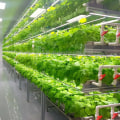
Vertical farming
represents another innovative solution that addresses the challenges of urbanization and limited arable land. This method involves growing crops in vertically stacked layers, often utilizing controlled environments with artificial lighting. The benefits of vertical farming include:
- Space Efficiency: Vertical farms can be established in urban areas where traditional farming is not feasible, bringing food production closer to consumers.
- Reduced Water Usage: These systems often use hydroponics or aeroponics, which require significantly less water than conventional farming methods.
- Year-Round Production: Controlled environments allow for continuous crop growth regardless of external weather conditions, ensuring a stable food supply.
Challenges Facing Sustainable Agriculture
While the concept of sustainable farming is gaining traction, numerous challenges hinder its widespread adoption.Understanding these obstacles is crucial for developing effective strategies to promote sustainable practices in agriculture.One of the primary challenges is the economic viability of sustainable practices. Many farmers face financial constraints that make it difficult to invest in sustainable technologies or methods. For instance, transitioning to organic farming often requires upfront costs for certification and organic inputs, which can be a significant barrier for small-scale farmers. Additionally, the market for sustainably produced goods can be inconsistent, leading to uncertainty about returns on investment.Another significant issue is the knowledge gap.
Many farmers lack access to information and training on sustainable practices. This gap can stem from a lack of resources or support from agricultural extension services. Without proper education on techniques such as crop rotation, cover cropping, and integrated pest management, farmers may be hesitant to adopt new methods that could improve sustainability.
Policy and regulatory frameworks
also play a critical role in shaping the landscape of sustainable agriculture. In many regions, existing policies may favor conventional farming practices over sustainable ones.
For example, subsidies for chemical fertilizers and pesticides can discourage farmers from exploring organic alternatives. Furthermore, complex regulations surrounding land use and water rights can create additional hurdles for those looking to implement sustainable practices.Climate change presents another layer of complexity. Farmers are increasingly facing unpredictable weather patterns, which can disrupt traditional farming schedules and crop yields. This unpredictability makes it challenging to implement long-term sustainable strategies that rely on stable environmental conditions.Lastly, there is often a cultural resistance to change within farming communities.
Many farmers have relied on conventional methods for generations, and shifting to sustainable practices may be viewed with skepticism. Overcoming this resistance requires not only education but also community engagement and support from peers who have successfully transitioned to sustainable methods.In summary, while the path toward sustainable agriculture is fraught with challenges—ranging from economic barriers and knowledge gaps to policy issues and cultural resistance—addressing these obstacles is essential for fostering a more sustainable future in farming.
The Future of Sustainable Agriculture
As we look towards the future of sustainable agriculture, it is essential to recognize the evolving landscape shaped by technological advancements, changing consumer preferences, and pressing environmental challenges. The next decade will likely witness significant trends that will redefine how we approach sustainable farming and food production.1.Technological Innovations
One of the most promising aspects of the future of sustainable agriculture is the integration of technology. Innovations such as precision agriculture, which utilizes data analytics and IoT (Internet of Things) devices, will enable farmers to optimize resource use.
For instance, sensors can monitor soil moisture levels, allowing for more efficient irrigation practices that conserve water while maximizing crop yields.
2.Regenerative Practices
Regenerative agriculture is expected to gain traction as a holistic approach that not only focuses on sustainability but also aims to restore and enhance ecosystems. Techniques such as cover cropping, agroecology, and holistic grazing management will be increasingly adopted to improve soil health and biodiversity. This shift towards regenerative practices will help combat climate change by sequestering carbon in the soil.
3.Urban Agriculture
The rise of urbanization presents both challenges and opportunities for sustainable farming. Urban agriculture, including vertical farms and rooftop gardens, is likely to become more prevalent as cities seek to reduce their carbon footprints and enhance food security.
These innovative farming methods can provide fresh produce to urban populations while minimizing transportation emissions.
4.Consumer Demand for Transparency
As consumers become more conscious of their food choices, there will be a growing demand for transparency in food production. This trend will push farmers and producers to adopt sustainable practices that are verifiable and traceable. Labels indicating organic or sustainably sourced products will become increasingly important as consumers seek to support ethical farming practices.
5.Policy Support and Collaboration
Government policies will play a crucial role in shaping the future of sustainable agriculture. Increased funding for research into sustainable practices, along with incentives for farmers who adopt environmentally friendly methods, will be essential.
Collaboration between governments, NGOs, and private sectors can foster innovation and create a supportive ecosystem for sustainable farming.In conclusion, the future of sustainable agriculture is bright yet challenging. By embracing technological advancements, regenerative practices, urban farming solutions, consumer transparency demands, and supportive policies, we can pave the way for a resilient food system that meets the needs of both people and the planet.
Consumer Choices and Sustainable Agriculture
Consumer choices play a pivotal role in shaping the future of sustainable agriculture. As awareness of environmental issues grows, individuals have the power to influence farming practices through their purchasing decisions. By opting for products that are grown sustainably, consumers can support farmers who prioritize ecological health and social responsibility.One of the most effective ways consumers can support sustainable farming is by buying local produce.When you purchase food from local farmers' markets or community-supported agriculture (CSA) programs, you not only reduce the carbon footprint associated with transporting food over long distances but also contribute to the local economy. This practice fosters a closer relationship between consumers and producers, allowing for greater transparency regarding farming methods and practices.
Benefits of Buying Local Produce
- Freshness: Local produce is often harvested at its peak ripeness, resulting in better flavor and nutritional value.
- Seasonal Eating: Supporting local farms encourages consumers to eat seasonally, which can lead to a more diverse diet and reduced reliance on monoculture crops.
- Community Support: Purchasing from local farmers helps sustain rural economies and promotes community resilience.
- Environmental Impact: Local food systems typically use fewer resources for transportation and packaging, leading to lower greenhouse gas emissions.
The collective action of informed consumers can drive significant change in agricultural practices, pushing for policies that favor sustainability.In conclusion, every purchase is a vote for the kind of agriculture we want to support. By consciously choosing local and sustainably produced foods, consumers can play an essential role in promoting sustainable agriculture, ensuring a healthier planet for future generations.
Conclusion: Embracing Sustainable Agriculture for a Better Tomorrow
As we reflect on the pressing challenges facing our planet, it becomes increasingly clear that sustainable agriculture is not merely an option but a necessity for ensuring a viable future. Throughout this article, we have explored the multifaceted benefits of adopting sustainable farming practices, which encompass environmental, social, and economic dimensions.One of the most significant takeaways is the role of sustainable agriculture in combating climate change. By implementing practices such as crop rotation, agroforestry, and organic farming, we can significantly reduce greenhouse gas emissions and enhance carbon sequestration in soils.This not only helps mitigate climate change but also fosters healthier ecosystems that can support diverse plant and animal life.Moreover, the emphasis on biodiversity within sustainable farming systems is crucial. By promoting a variety of crops and livestock, farmers can create resilient agricultural systems that are less susceptible to pests and diseases. This diversity not only protects food security but also contributes to the overall health of our planet.In addition to environmental benefits, sustainable agriculture has profound social implications. It encourages fair labor practices and supports local economies by prioritizing community engagement and local food systems.
When consumers choose to buy from local farmers who practice sustainability, they contribute to a cycle of economic resilience that benefits everyone involved.As we look toward the future, it is essential for individuals, communities, and governments to embrace sustainable agriculture as a core principle in food production. This requires a collective effort to shift consumer behavior towards supporting sustainable practices and advocating for policies that incentivize environmentally friendly farming methods.In conclusion, the path to a better tomorrow lies in our ability to adopt and promote sustainable farming. By making conscious choices today—whether through our purchasing decisions or by supporting local initiatives—we can pave the way for a healthier planet for generations to come. Let us commit to embracing sustainable agriculture as a vital component of our global strategy for a more equitable and sustainable future.