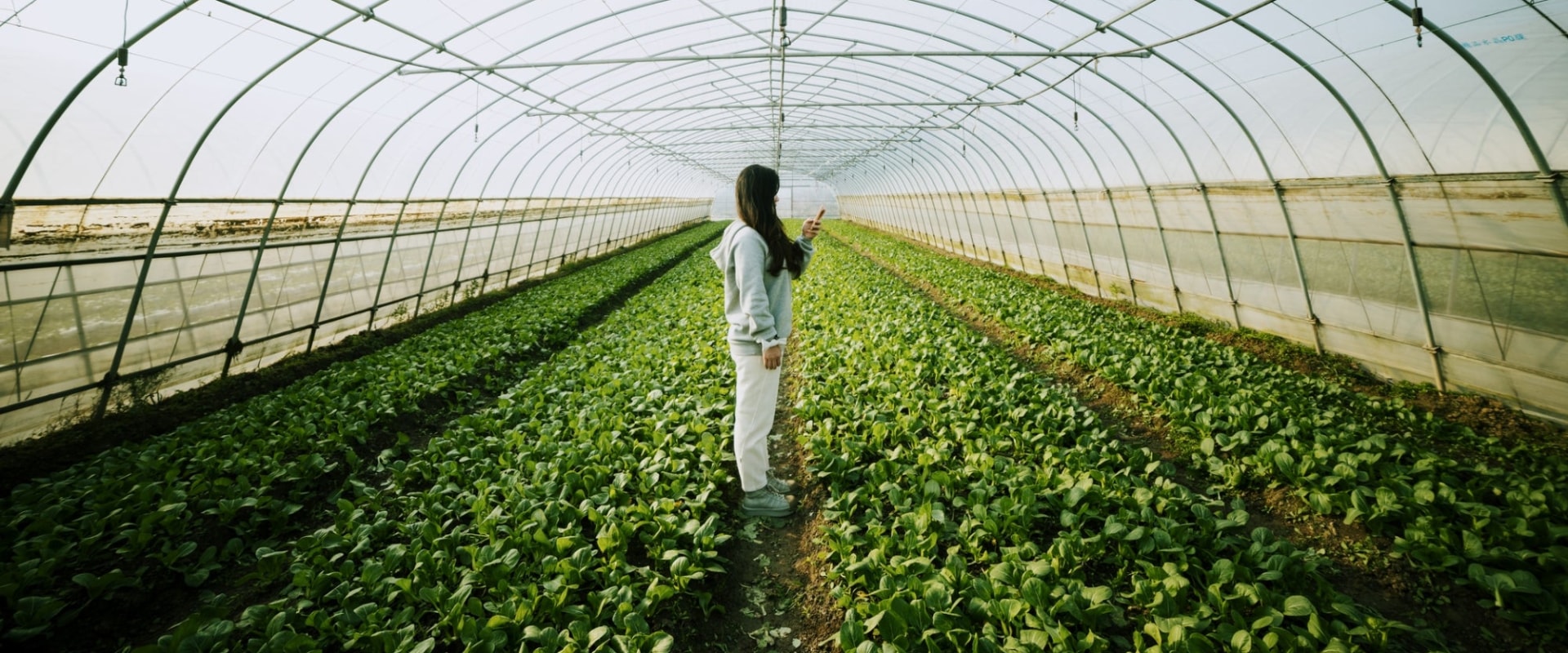
Sustainable agriculture is a holistic approach to farming that seeks to balance the need for food production with the preservation of environmental health, economic viability, and social equity. At its core, Sustainable agriculture is a holistic approach to farming that seeks to balance the need for food production with the preservation of environmental health, economic viability, and social equity. At its core, sustainable farming encompasses practices that are designed to meet current food and fiber needs without compromising the ability of future generations to meet their own needs. This concept is not merely a trend; it represents a fundamental shift in how we view our relationship with the land and the resources it provides.The definition of sustainable agriculture can be broken down into several key principles. First, it emphasizes the importance of maintaining healthy ecosystems.
This involves practices such as crop rotation, cover cropping, and integrated pest management, which help to enhance biodiversity and soil health. Second, sustainable farming prioritizes resource conservation, particularly in terms of water and energy use. By implementing efficient irrigation systems and renewable energy sources, farmers can reduce their environmental footprint while still producing high-quality crops.Moreover, sustainable agriculture recognizes the significance of social responsibility. It advocates for fair labor practices and supports local communities by promoting food sovereignty and access to nutritious food.
This approach not only benefits farmers but also strengthens local economies and fosters a sense of community. As we face pressing global challenges such as climate change, population growth, and resource depletion, the importance of sustainable agriculture becomes increasingly clear. It is essential for ensuring food security while protecting our planet for future generations.In summary, understanding sustainable agriculture is crucial as we navigate the complexities of modern farming. By embracing its principles, we can create a resilient agricultural system that not only meets our immediate needs but also safeguards the environment and promotes social well-being.
This foundational knowledge sets the stage for exploring future trends and innovations that will shape the landscape of sustainable farming in the years to come.
The Current State of Sustainable Farming Practices
The landscape of sustainable farming is continually evolving, with numerous practices currently in place that prioritize environmental health, economic viability, and social equity. These practices not only address the immediate needs of food production but also ensure the long-term sustainability of agricultural systems.One prominent example of sustainable agriculture is crop rotation. This method involves alternating the types of crops grown on a particular piece of land over different seasons. By doing so, farmers can improve soil health, reduce pest and disease cycles, and enhance biodiversity.For instance, rotating legumes with cereal crops can naturally replenish nitrogen levels in the soil, reducing the need for synthetic fertilizers.
Agroforestry
is another innovative practice that integrates trees and shrubs into agricultural landscapes. This approach not only provides shade and shelter for crops but also contributes to carbon sequestration, enhancing the farm's resilience to climate change. Farmers practicing agroforestry often report improved yields and reduced soil erosion.
Organic farming
is perhaps one of the most recognized forms of sustainable agriculture. It emphasizes the use of natural inputs and processes, avoiding synthetic pesticides and fertilizers.
Organic farms often utilize composting, cover cropping, and biological pest control to maintain soil fertility and manage pests. The benefits of organic farming extend beyond environmental health; consumers are increasingly willing to pay a premium for organic products, leading to higher profit margins for farmers.Additionally, integrated pest management (IPM) combines biological, cultural, physical, and chemical tools to manage pests in an environmentally sensitive manner. By focusing on prevention and monitoring rather than solely relying on chemical interventions, IPM reduces pesticide use while maintaining crop productivity.The benefits of these sustainable farming practices are manifold. They contribute to improved soil health, enhanced biodiversity, and reduced environmental impact.
Furthermore, sustainable practices can lead to increased profitability for farmers by reducing input costs and opening up new markets for sustainably produced goods.In conclusion, the current state of sustainable farming practices showcases a diverse array of methods that not only meet today's agricultural demands but also pave the way for a more resilient future. As we continue to innovate and adapt these practices, it is essential to recognize their role in fostering a sustainable food system that benefits both people and the planet.
Technological Innovations Shaping Sustainable Agriculture
The landscape of sustainable agriculture is rapidly evolving, driven by a wave of technological innovations that promise to enhance productivity while minimizing environmental impact. These advancements are not only reshaping traditional farming practices but also paving the way for a more resilient agricultural future.One of the most significant developments in this realm is precision agriculture. This approach utilizes data analytics, GPS technology, and IoT (Internet of Things) devices to optimize field-level management regarding crop farming.By employing sensors and drones, farmers can gather real-time data on soil conditions, moisture levels, and crop health. This information allows for targeted interventions, such as precise irrigation and fertilization, which can significantly reduce resource waste and enhance crop yields.Moreover, the integration of biotechnology into sustainable farming practices is revolutionizing how we approach crop production. Genetic engineering techniques, such as CRISPR, enable the development of crops that are more resistant to pests and diseases, reducing the need for chemical pesticides. Additionally, these innovations can lead to crops that require less water and are more resilient to climate change, thus supporting the sustainability goals of modern agriculture.Another promising area is the use of vertical farming and hydroponics.
These methods allow for food production in urban settings, utilizing significantly less land and water than traditional farming. By growing plants in controlled environments with nutrient-rich water solutions instead of soil, farmers can produce high-quality crops year-round while minimizing their carbon footprint.Furthermore, advancements in artificial intelligence (AI) are enhancing decision-making processes in agriculture. AI algorithms can analyze vast amounts of data from various sources to predict weather patterns, optimize planting schedules, and even identify potential pest outbreaks before they become a problem. This proactive approach not only increases efficiency but also contributes to the overall sustainability of farming operations.In conclusion, the future of sustainable agriculture is being shaped by these technological innovations that promote efficiency and environmental stewardship.
As we continue to embrace these advancements, it is crucial for farmers and stakeholders to remain informed and adaptable to harness the full potential of technology in creating a sustainable food system.
The Role of Climate Change in Sustainable Farming
Climate change is one of the most pressing challenges facing agriculture today. As global temperatures rise and weather patterns become increasingly erratic, farmers are forced to adapt their practices to ensure food security and sustainability. The impact of climate change on farming is multifaceted, affecting everything from crop yields to soil health and water availability.One of the most significant effects of climate change is the alteration of precipitation patterns. Regions that once enjoyed consistent rainfall may experience prolonged droughts or intense flooding, both of which can devastate crops.For instance, drought conditions can lead to reduced soil moisture, making it difficult for plants to thrive. Conversely, excessive rainfall can cause soil erosion and nutrient leaching, further compromising agricultural productivity.In addition to changing precipitation, rising temperatures can also affect crop growth cycles. Many crops have specific temperature ranges in which they flourish; exceeding these ranges can lead to reduced yields or even crop failure. For example, heat stress can hinder pollination in crops like corn and wheat, leading to lower production levels.To combat these challenges, sustainable farming practices are essential.
By implementing techniques such as crop rotation, cover cropping, and agroforestry, farmers can enhance soil health and improve resilience against climate variability. These practices not only help maintain soil fertility but also promote biodiversity, which is crucial for ecosystem stability.Moreover, sustainable farming encourages the use of water conservation methods such as drip irrigation and rainwater harvesting. These techniques allow farmers to optimize water usage, ensuring that crops receive adequate moisture even during dry spells.Ultimately, adapting to climate change in agriculture requires a holistic approach that integrates sustainable practices with innovative technologies. By investing in research and education, farmers can better understand the impacts of climate change and develop strategies that not only mitigate its effects but also promote long-term sustainability in food production.
Economic Implications of Sustainable Agriculture
The economic implications of sustainable agriculture are multifaceted, encompassing both the costs associated with implementing sustainable practices and the potential profitability that can arise from them.As the global demand for food continues to rise, farmers are increasingly recognizing that sustainability is not just an environmental necessity but also an economic opportunity.One of the primary economic benefits of sustainable farming is the reduction in input costs. Traditional farming often relies heavily on synthetic fertilizers and pesticides, which can be expensive and environmentally damaging. In contrast, sustainable practices such as crop rotation, cover cropping, and integrated pest management can significantly lower these costs. By enhancing soil health and biodiversity, farmers can reduce their dependency on chemical inputs, leading to long-term savings.Moreover, sustainable agriculture can enhance resilience against market fluctuations.
Farmers who adopt sustainable practices often find that they are better equipped to withstand adverse weather conditions and pest outbreaks. This resilience translates into more stable yields and income over time, which is crucial in an industry characterized by volatility.
Profitability in Sustainable Farming
While the initial investment in sustainable practices may seem daunting, studies have shown that the long-term profitability can outweigh these upfront costs. For instance, organic produce often commands higher prices in the market due to increasing consumer demand for healthy and environmentally friendly options. This premium pricing can significantly boost a farmer's income.Additionally, sustainable farms tend to attract a loyal customer base that values ethical sourcing and environmental stewardship.This connection can lead to direct-to-consumer sales models, such as farmers' markets or community-supported agriculture (CSA) programs, which further enhance profitability by cutting out middlemen.Furthermore, government incentives and grants aimed at promoting sustainable practices can alleviate some of the financial burdens associated with transitioning to sustainable agriculture. Programs designed to support farmers in adopting eco-friendly methods not only provide financial assistance but also help in building a more resilient agricultural sector.In conclusion, while there are costs associated with transitioning to sustainable agriculture, the potential for increased profitability through reduced input costs, premium pricing for products, and enhanced resilience makes it an economically viable option for farmers. As more agricultural stakeholders recognize these benefits, the shift towards sustainability will likely accelerate, paving the way for a more resilient food system.
Social Equity and Community Involvement in Sustainable Farming
In the realm of sustainable farming, the concept of social equity plays a pivotal role in shaping practices that not only benefit the environment but also uplift communities. Social equity in agriculture refers to the fair distribution of resources, opportunities, and benefits among all stakeholders involved in the agricultural sector.This includes farmers, consumers, and local communities, ensuring that everyone has a voice and access to the resources necessary for sustainable practices.One of the most effective ways to promote social equity is through community-supported agriculture (CSA). This model fosters a direct relationship between farmers and consumers, allowing community members to invest in local farms. By purchasing shares in advance, consumers provide farmers with the necessary capital to grow their crops while receiving fresh produce throughout the season. This arrangement not only supports local economies but also encourages transparency and accountability in farming practices.Moreover, community involvement is essential for the success of sustainable farming initiatives.
Local organizations and cooperatives can facilitate education and training programs that empower individuals with knowledge about sustainable practices. These programs often focus on:
- Organic farming techniques: Teaching methods that reduce chemical inputs and enhance soil health.
- Water conservation: Implementing strategies to use water more efficiently and sustainably.
- Biodiversity promotion: Encouraging the cultivation of diverse crops to enhance resilience against pests and climate change.
By prioritizing community involvement and equitable resource distribution, we can create a resilient agricultural system that benefits both people and the planet.
Future Trends in Sustainable Agriculture
The landscape of sustainable agriculture is rapidly evolving, driven by technological advancements, changing consumer preferences, and the urgent need to address climate change. As we look to the future, several key trends are emerging that will shape the practices and policies surrounding sustainable farming.1.Precision Agriculture
One of the most significant trends in sustainable agriculture is the rise of precision farming. This approach utilizes technology such as GPS, drones, and IoT devices to monitor crop health and soil conditions in real-time. By collecting and analyzing data, farmers can make informed decisions about resource allocation, reducing waste and enhancing productivity.This not only leads to higher yields but also minimizes the environmental impact of farming practices.
2.Regenerative Agriculture
Regenerative agriculture is gaining traction as a holistic approach that goes beyond sustainability. It focuses on restoring soil health, increasing biodiversity, and improving ecosystem services. Practices such as cover cropping, crop rotation, and agroforestry are integral to this movement. By prioritizing soil regeneration, farmers can enhance resilience against climate change while sequestering carbon in the soil.3.Vertical Farming and Urban Agriculture
As urban populations continue to grow, vertical farming and urban agriculture are becoming increasingly important.These innovative farming methods allow for food production in urban settings, reducing transportation emissions and providing fresh produce to city dwellers. Utilizing hydroponics and aeroponics, these systems can operate with minimal land use and water consumption, making them a sustainable option for densely populated areas.
4.Sustainable Supply Chains
The future of sustainable agriculture also hinges on the development of transparent and ethical supply chains. Consumers are becoming more conscious of where their food comes from and how it is produced. As a result, farmers are adopting practices that ensure traceability and sustainability throughout the supply chain.This includes certifications for organic farming, fair trade practices, and local sourcing initiatives.
5.Climate-Resilient Crops
With climate change posing significant challenges to traditional farming methods, the development of climate-resilient crops is essential. Research into genetically modified organisms (GMOs) and traditional breeding techniques aims to create crops that can withstand extreme weather conditions such as droughts or floods. These innovations will be crucial in ensuring food security in a changing climate.In conclusion, the future of sustainable farming is bright but requires a collective effort from farmers, consumers, policymakers, and researchers. By embracing these emerging trends and innovations, we can pave the way for a more sustainable agricultural system that meets the needs of both people and the planet.Challenges Facing Sustainable Agriculture Today
The journey towards sustainable agriculture is fraught with numerous challenges that can impede its growth and implementation.Understanding these barriers is crucial for developing effective strategies to promote sustainable practices in farming.One of the primary challenges is the economic viability of sustainable farming methods. Many farmers are hesitant to adopt new practices due to the initial costs associated with transitioning from conventional methods. This includes investments in organic seeds, eco-friendly pest control, and advanced irrigation systems. Without adequate financial support or incentives, farmers may find it difficult to justify these expenses, especially when immediate profits are a concern.Another significant barrier is the lack of education and awareness regarding sustainable practices.
Many farmers may not be aware of the benefits of sustainable agriculture or how to implement these practices effectively. Educational programs and resources are essential to equip farmers with the knowledge they need to make informed decisions about their farming methods.
Policy and regulatory frameworks
also play a critical role in shaping agricultural practices. In many regions, existing policies favor conventional farming techniques, which can create an uneven playing field for those attempting to adopt sustainable methods. Advocacy for policy changes that support sustainability initiatives is vital for leveling this playing field.Additionally, climate change poses a significant threat to sustainable agriculture.
Unpredictable weather patterns, increased frequency of extreme weather events, and shifting growing seasons can disrupt traditional farming practices. Farmers must adapt to these changes while still striving to maintain sustainability, which can be a daunting task.Lastly, there is often a cultural resistance to change within agricultural communities. Long-standing traditions and practices can be deeply ingrained, making it challenging for farmers to embrace new methods. Building trust and demonstrating the long-term benefits of sustainable agriculture are essential steps in overcoming this resistance.In conclusion, addressing these challenges—economic viability, education gaps, policy frameworks, climate change impacts, and cultural resistance—is crucial for advancing sustainable agriculture.
By tackling these issues head-on, we can pave the way for a more resilient and environmentally friendly agricultural future.
Conclusion: The Path Forward for Sustainable Agriculture
As we reflect on the future of sustainable agriculture, it becomes increasingly clear that our path forward is not just about adopting new technologies or practices; it is about fostering a holistic approach that integrates environmental stewardship, economic viability, and social equity. The challenges posed by climate change, resource depletion, and food insecurity demand innovative solutions that can only be achieved through a commitment to sustainable farming.Throughout this discussion, we have highlighted several key aspects that are essential for advancing sustainable agriculture:- Innovation in Practices: Embracing cutting-edge technologies such as precision agriculture, agroecology, and regenerative practices can significantly enhance productivity while minimizing environmental impact.
- Education and Awareness: Increasing awareness about the benefits of sustainable farming among consumers and producers alike is crucial. Educational programs can empower farmers to adopt sustainable practices and encourage consumers to make informed choices.
- Policy Support: Government policies play a vital role in promoting sustainable agriculture. Incentives for sustainable practices, research funding, and support for local food systems can create an enabling environment for farmers.
- Community Engagement: Building strong community networks fosters collaboration among farmers, researchers, and consumers.
Local initiatives can drive change from the ground up, ensuring that sustainability efforts are tailored to specific regional needs.